Green Leaves: Elevating Your Designs with Botanical Elegance
In the world of design, few elements are as universally appealing and versatile as nature-inspired motifs. Among these, Green Leaves stands out as a timeless choice for adding depth, freshness, and organic beauty to any project. Whether you are a graphic designer looking to enhance a brand identity, a small business owner creating packaging, or an individual planning a special event, incorporating botanical patterns can significantly elevate your visual communication. This article explores how the Green Leaves decorative pattern serves as a powerful tool for creativity, offering practical solutions for various design needs.
Understanding the Appeal of Green Leaves in Design
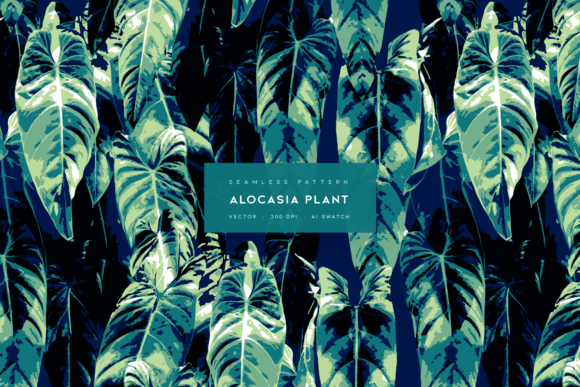
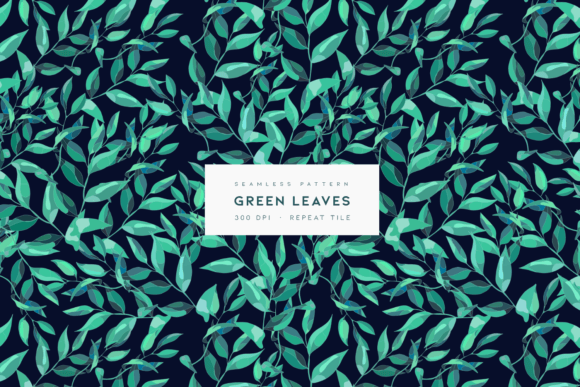
The concept of Green Leaves is not merely about depicting plants; it is about capturing the essence of growth, vitality, and tranquility. The specific design package we are discussing features a dark green wallpaper background adorned with intricate decorative botanical patterns. This combination creates a rich, sophisticated aesthetic that works well across a wide spectrum of applications. The dark green backdrop provides a strong contrast that allows the lighter leaf details to pop, ensuring readability and visual interest even at smaller sizes.
For many users, the challenge lies in finding assets that are both high-quality and adaptable. A pattern that looks good on a screen might lose its detail when printed, or vice versa. The Green Leaves pattern addresses this by being delivered in high-resolution formats suitable for both digital and print media. With specifications including 70 x 70 cm dimensions and 300 dpi resolution, this asset ensures crisp, clear results whether it is used for a large-scale wall mural or a delicate greeting card.
Solving Common Design Challenges
Designers often face the hurdle of creating seamless patterns that tile perfectly without visible breaks. Manual creation of such patterns requires technical skill and time. The Green Leaves package simplifies this process by providing a ready-to-use seamless pattern. This means you can apply it to any surface—be it fabric, paper, or web backgrounds—and it will repeat flawlessly. This feature is particularly valuable for:
- Fabric Designers: Creating textiles where continuity is key.
- Packaging Creators: Ensuring labels and wraps look professional from every angle.
- Web Developers: Implementing backgrounds that load quickly and display consistently across devices.
Another common challenge is color versatility. While the primary theme is green, the dark green background offers a neutral yet bold canvas that complements a variety of other colors. It pairs exceptionally well with gold accents for a luxurious feel, white text for clarity, or pastel tones for a softer, more romantic aesthetic. This adaptability makes Green Leaves a strategic choice for brands looking to maintain a consistent visual language while experimenting with different moods.
Practical Applications and Use Cases
The utility of the Green Leaves pattern extends far beyond simple decoration. Here is how different professionals and hobbyists can leverage this asset to achieve their goals:
1. Packaging and Brand Identity
For eco-friendly brands or businesses selling natural products like cosmetics, teas, or organic foods, the Green Leaves pattern communicates values instantly. Using it on product boxes, bags, or stickers reinforces the connection to nature. The transparent PNG option included in the package allows designers to overlay the leaves onto existing logos or text, creating custom badges or seals that highlight quality and authenticity.
2. Stationery and Invitations
Weddings, baby showers, and corporate events often rely on stationery to set the tone. The elegant botanical motif adds a touch of formality and grace to invitations, thank-you cards, and place settings. Because the pattern is available in JPEG format, it is easy to integrate into popular design software like Adobe Photoshop or Illustrator. Users can adjust the opacity or scale to create subtle watermarks or bold borders, tailoring the design to the specific event’s theme.
3. Digital Media and Websites
In the digital space, first impressions matter. A website header or a blog post background featuring the Green Leaves pattern can improve user engagement by making the content feel more inviting and less sterile. The dark green background reduces eye strain compared to bright whites, making it ideal for reading-heavy sites. Additionally, the transparent PNG version allows for creative layering, enabling developers to create parallax effects or interactive elements that respond to user scrolling.
4. Home Decor and Wallpaper
One of the most direct applications is interior design. The 70 x 70 cm size is perfect for testing wallpapers before committing to a full room. The dark green hue adds warmth and sophistication to living rooms, studies, or bedrooms. For those who enjoy DIY projects, the pattern can be printed on removable wallpaper sheets, allowing for temporary updates to home decor without permanent changes.
Maximizing Value: Format Flexibility
A key advantage of this specific package is the inclusion of both JPEG and transparent PNG files. Understanding the difference between these formats can help users get the best results:
- JPEG: Best for solid backgrounds where transparency is not needed. This format is widely compatible and efficient for web use or printing on light-colored materials.
- Transparent PNG: Essential for overlaying designs. If you want to place the leaf pattern over a photo, a gradient, or a specific brand color, the transparent background ensures no white box surrounds the leaves. This is crucial for creating cohesive, professional-looking graphics.
By having both options, users do not need to purchase additional assets or spend time removing backgrounds manually. This saves time and reduces frustration, allowing for quicker turnaround times on projects.
Considerations for Implementation
While the Green Leaves pattern is highly versatile, successful implementation depends on thoughtful application. Here are some recommendations:
- Contrast Check: Ensure that any text placed over the pattern has sufficient contrast. Dark text may be hard to read on the dark green background, so consider using white or light gold fonts.
- Scale Appropriately: Depending on the final output size, you may need to resize the pattern. Remember that the original file is high-resolution (300 dpi), so scaling down is safe, but scaling up too much may result in pixelation if not done carefully.
- Consistency: If using the pattern across multiple platforms (e.g., social media and print), keep the color profiles consistent. RGB for screens and CMYK for print will yield slightly different shades of green.
Conclusion
The Green Leaves decorative botanical pattern is more than just a pretty image; it is a functional design asset that solves real-world problems for creators. Its seamless nature, high resolution, and flexible formats make it suitable for everything from everyday stationery to high-end packaging. By choosing this pattern, designers and business owners can infuse their projects with a sense of natural elegance and professionalism. Whether you are aiming to refresh your brand’s visual identity or add a personal touch to a handmade gift, the Green Leaves pattern offers a reliable and stylish solution. Embrace the versatility of nature-inspired design and see how it can transform your creative outputs.