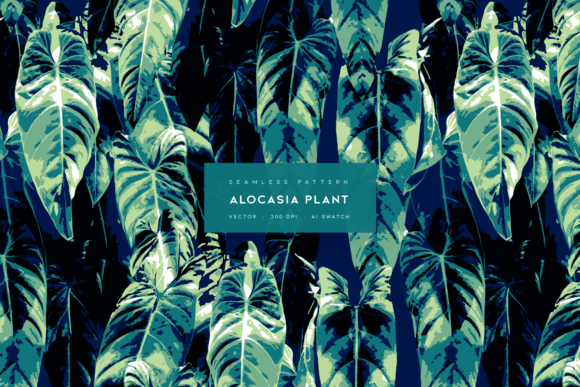
Alocasia Plant and Green Botanical Seamless Pattern: A Practical Design Asset Review
In the realm of graphic design, textile printing, and digital content creation, the demand for high-quality, versatile botanical assets has never been higher. Among the most striking and recognizable foliage patterns is the Alocasia Plant motif. Specifically, a well-executed green botanical seamless pattern featuring this plant offers significant utility for professionals seeking to add organic texture and visual interest to their projects. This review examines a specific package that includes a seamless pattern design in AI, EPS, PAT, and JPEG formats, designed to meet the rigorous standards of modern creative workflows.
Understanding the Alocasia Motif in Design
The Alocasia, often referred to as Elephant Ear due to its large, heart-shaped leaves, is a genus of flowering plants known for their dramatic architectural form. In design contexts, the Alocasia Plant serves as a powerful visual anchor. Its bold veins, deep green hues, and distinct leaf structure convey a sense of lushness, vitality, and tropical elegance. Unlike more delicate floral patterns that can appear fragile or overly feminine, the Alocasia brings a grounded, structural strength to a composition.
When integrated into a seamless pattern, these characteristics allow designers to create backgrounds that feel expansive yet cohesive. The repeating nature of the pattern ensures continuity, making it ideal for applications where tiling is essential, such as wallpaper, fabric rolls, or web page backgrounds. The specific asset under review leverages the natural geometry of the Alocasia to create a balance between negative space and dense foliage, ensuring the design remains readable and aesthetically pleasing at various scales.
Technical Specifications and File Versatility
For professional designers, the technical integrity of a vector asset is just as important as its aesthetic appeal. The package in question provides files in AI, EPS, PAT, and JPEG formats, catering to a wide range of software environments and use cases. This multi-format approach is a significant strength, reducing friction in the production pipeline.
- AI and EPS Formats: These vector-based files are crucial for scalability. At 7559 x 7559 pixels and 300 dpi, the resolution is exceptionally high, allowing for print-ready outputs without pixelation. The inclusion of an AI file with a seamless swatch is particularly valuable for users working within Adobe Illustrator’s ecosystem. It allows for quick application to shapes, text, and other elements while maintaining the ability to edit individual vectors if necessary.
- PAT Format: For designers utilizing Adobe Photoshop or similar raster-based tools, the PAT (Pattern) file offers immediate usability. Users can load this file directly into the preset manager, enabling instant application to canvas areas or layers via the Fill dialog. This saves considerable time compared to manually defining patterns from scratch.
- JPEG Format: While not editable in terms of vectors, the high-resolution JPEG serves as a reliable fallback for non-designers or for quick previews. It ensures that stakeholders who may not have access to vector editing software can still visualize the final product effectively.
The dimensions of 64 x 64 cm at 300 dpi indicate that this asset is engineered for large-scale printing. Whether producing yardage for upholstery or wide-format banners, the pattern maintains its crispness. This level of detail supports the needs of serious hobbyists and small business owners who require professional-grade materials without the cost of custom illustration.
Practical Applications and Industry Use Cases
The versatility of the Alocasia Plant seamless pattern makes it suitable for a diverse array of industries. Its organic yet structured appearance bridges the gap between modern minimalism and traditional botanical illustration. Below are several key areas where this asset demonstrates practical value:
Textile and Fabric Design
Fabric manufacturers frequently seek botanical motifs that translate well across different materials. The Alocasia’s strong silhouette works well on cotton, linen, silk, and synthetic blends. Because the pattern is seamless, it can be repeated infinitely along the width of a fabric roll, which is critical for garment construction and home decor items like curtains or throw pillows. The green color palette is timeless, appealing to consumers looking for neutral yet engaging interior accents.
Packaging and Branding
In the era of sustainable and eco-conscious branding, botanical patterns evoke associations with nature, purity, and wellness. Small businesses in the cosmetics, tea, or organic food sectors can utilize this pattern for product packaging. The high-resolution vector files ensure that logos and text placed over the pattern remain legible, provided contrast is managed correctly. The seamless nature allows for efficient wrapping of boxes or bags, minimizing waste during production.
Digital Media and Web Design
Web developers and UI/UX designers often struggle to find backgrounds that are visually interesting but not distracting. A low-opacity version of this Alocasia pattern can serve as a subtle texture behind content sections, adding depth without compromising readability. The JPEG format facilitates easy integration into HTML/CSS workflows, while the vector files allow for responsive adjustments if the design requires scaling.
Stationery and Invitations
For event planners and stationery designers, the Alocasia Plant adds a touch of sophistication to wedding invitations, greeting cards, and paper wraps. The rich green tones pair well with metallic foils (gold, copper, or silver), creating a premium feel. The seamless aspect allows for continuous borders or all-over prints on cardstock, enhancing the tactile experience of physical mail.
Evaluation of Quality and Usability
From an evaluative standpoint, the primary strength of this asset lies in its consistency and reliability. A common issue with stock patterns is the visible "seam" where the tile repeats. A well-constructed seamless pattern, such as this one, should hide the join line entirely, creating an illusion of infinite continuity. The inclusion of a pre-made swatch in the AI file suggests that the creator has tested the repeat alignment, saving the user from potential troubleshooting.
Furthermore, the file organization contributes to usability. Having multiple formats means that whether a designer is working in a print-heavy workflow (using InDesign or Illustrator) or a digital-first workflow (using Photoshop or Figma), they have an optimized tool for the job. The 300 dpi specification ensures that there is no loss of quality when moving from screen to print, a critical factor for hybrid projects.
Potential Limitations
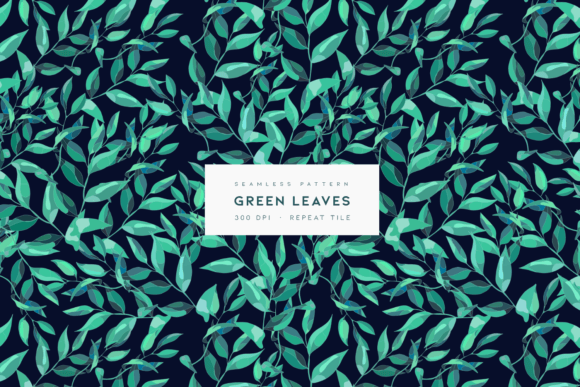
While the asset is robust, users should consider the color palette. As a predominantly green botanical pattern, it may not suit every brand identity. Projects requiring warm, autumnal tones or pastel palettes might find this specific design too cool-toned. However, because the source files are in AI and EPS, designers with vector editing skills can easily adjust the hue, saturation, and brightness to match their specific color requirements. This flexibility extends the asset’s lifespan beyond its default appearance.
Who Benefits Most?
This Alocasia Plant seamless pattern is best suited for:
- Freelance Graphic Designers: Those looking to expand their library of high-quality textures for client projects in branding and packaging.
- Small Business Owners: Entrepreneurs in the handmade or artisanal space who need professional-looking patterns for their products but lack the budget for custom illustration.
- Interior Decorators: Professionals sourcing materials for residential or commercial spaces who require scalable, repeatable designs for wallpapers and textiles.
- Educators and Bloggers: Content creators who need engaging visual elements for online courses, articles, or digital downloads.
It is less ideal for users who require fully customizable, hand-drawn illustrations from scratch, as this is a pre-designed asset. However, for those seeking efficiency and professional polish, it offers a strong foundation.
Final Thoughts on Long-Term Value
In conclusion, the Alocasia Plant and Green Botanical Seamless Pattern represents a solid investment for creatives. Its combination of aesthetic appeal, technical precision, and format versatility addresses the core needs of modern design workflows. By providing both vector and raster options, it accommodates a broad spectrum of user expertise and software preferences. The high resolution and seamless construction ensure that the asset performs reliably across various media, from tiny social media graphics to large-scale fabric prints.
For anyone looking to incorporate organic, structured botanical elements into their work without starting from a blank canvas, this package delivers tangible value. It streamlines the creative process, allowing designers to focus on composition and messaging rather than tedious pattern-making. As trends continue to favor natural and earthy aesthetics, having access to high-quality assets like this Alocasia pattern remains a practical and forward-thinking choice for sustained creative output.