Evaluating Native American Archery Tools Pattern for Design Projects
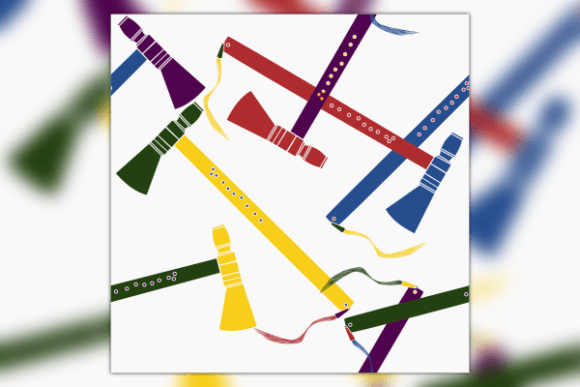
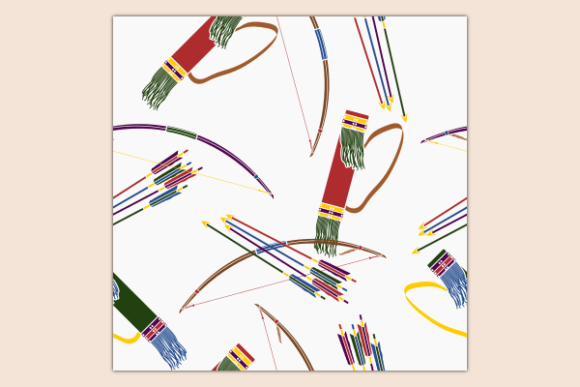
When integrating cultural motifs into modern design projects, the choice of vector assets plays a critical role in both aesthetic quality and technical flexibility. The Native American Archery Tools Pattern represents a specific category of seamless vector illustrations that blend historical iconography with contemporary digital utility. This asset is not merely a static image but a structured set of editable SVG vectors designed to be repeated seamlessly across various surfaces. For designers, educators, and content creators aged 20 to 50, understanding the nuances of this pattern—its file formats, editing capabilities, and application scope—is essential for making informed creative decisions.
This analysis explores the practical applications, technical advantages, and potential limitations of using the Native American Archery Tools Pattern. By examining how it compares to other design resources and detailing its specific use cases, readers can determine whether this asset aligns with their project requirements, particularly when balancing authenticity, versatility, and ease of use.
Understanding the Asset: Seamless Patterns and Vector Flexibility
At its core, the Native American Archery Tools Pattern is a repeating visual motif derived from traditional indigenous weaponry and equipment. Unlike raster images (such as standard JPEGs or PNGs) which are pixel-based and lose quality when scaled, this pattern is built on vector mathematics. This distinction is vital for professionals who require crisp lines at any resolution. The inclusion of an editable SVG format means that individual elements within the archery tools—such as arrowheads, bows, or feathers—can be modified independently without degrading the overall image quality.
The term "seamless pattern" refers to a tileable design where the edges align perfectly, allowing the image to extend infinitely in any direction. This feature makes the asset particularly suitable for backgrounds, textiles, and large-scale prints where discontinuities would be visually distracting. When evaluating this pattern, one must consider the balance between preserving the cultural integrity of the symbols and adapting them for modern commercial or decorative use. The ability to edit these vectors allows designers to adjust colors, scales, and compositions to fit specific brand guidelines or thematic needs while maintaining the structural integrity of the original artwork.
Technical Specifications and Software Compatibility
A significant factor in the usability of any digital asset is its compatibility with standard design software. The Native American Archery Tools Pattern is optimized for use with Inkscape, a powerful, open-source vector graphics editor. While many designers rely on Adobe Illustrator, Inkscape offers a robust alternative that supports SVG natively, ensuring that the editable nature of the pattern remains intact. This compatibility is a key strength for users who prefer free or low-cost software solutions, as it eliminates licensing barriers while still providing professional-grade editing tools.
Beyond SVG, the asset package typically includes EPS, PDF, and high-resolution PNG files. Each format serves a distinct purpose in the workflow:
- SVG (Scalable Vector Graphics): Ideal for web design, interactive media, and further vector editing. It ensures that the pattern remains sharp regardless of zoom level or output size.
- EPS (Encapsulated PostScript): A legacy vector format widely supported by print production workflows. It is useful for sending files to professional printers who may not accept modern SVG standards.
- PDF (Portable Document Format): Excellent for sharing final designs with clients or stakeholders who need to view the layout without needing specialized design software. It preserves vector data for printing while being universally readable.
- PNG (Portable Network Graphics): Provided in high resolution, this raster format is best for quick previews, social media graphics, or applications where vector editing is not required.
Having access to multiple formats increases the versatility of the Native American Archery Tools Pattern. It allows a designer to start with an editable SVG in Inkscape, refine the composition, export a PDF for client approval, and finally generate a high-res PNG for digital publication. This multi-format approach reduces friction in the production pipeline and accommodates diverse technical environments.
Comparative Analysis: Pattern Types and Design Applications
When selecting a background or decorative element, designers often choose between abstract geometric patterns, photographic textures, and culturally specific motifs. The Native American Archery Tools Pattern falls into the latter category, offering a narrative depth that abstract designs lack. However, this specificity also introduces considerations regarding context and appropriateness that do not apply to generic patterns.
Contextual Fit vs. Generic Versatility
Generic geometric patterns are highly versatile and safe for broad audiences, but they may lack emotional resonance or thematic relevance. In contrast, the Native American Archery Tools Pattern carries inherent historical and cultural weight. It is best suited for projects related to history, education, heritage celebrations, or brands that wish to evoke themes of tradition, craftsmanship, and nature. For example, using this pattern on invitations for a museum exhibition on indigenous history is appropriate and enhances the thematic experience. Conversely, using it on unrelated merchandise without proper context might feel disjointed or potentially insensitive if not handled with care.
Print vs. Digital Use Cases
The seamless nature of the pattern makes it exceptionally strong for textile and fabric design. Whether creating custom apparel, home decor items like cushions and curtains, or packaging materials, the vector format ensures that the archery tools remain crisp even when printed on large rolls of fabric. In digital contexts, such as website headers or blog backgrounds, the pattern adds texture and interest without overwhelming the primary content. The ability to edit the opacity or scale of the SVG allows designers to integrate the pattern subtly as a background element, ensuring that text remains readable and the focus stays on the main message.
Decision Factors: When to Choose This Pattern
Selecting the Native American Archery Tools Pattern should be guided by specific project goals and resource constraints. Below are key scenarios where this asset proves advantageous, along with situations where alternatives might be more suitable.
Strengths and Best-Fit Scenarios
This pattern is an excellent choice when:
- Editability is Required: If you need to customize colors to match a brand palette or remove specific elements to avoid clutter, the editable SVG structure provides maximum control.
- High-Resolution Print is Needed: For merchandises like t-shirts, mugs, or posters, the vector source ensures no pixelation occurs during the printing process.
- Cultural Narrative is Central: Projects aiming to honor or explore Native American history benefit from authentic, detailed imagery rather than generic stereotypes.
- Cost-Effective Workflow is Prioritized: Using Inkscape-compatible files allows designers to work professionally without expensive software subscriptions.
Limitations and Considerations
Despite its strengths, there are tradeoffs to consider. First, the complexity of the vector paths may impact performance in older or less powerful computers, requiring careful management of layers and effects. Second, because the pattern depicts specific cultural artifacts, designers must ensure respectful usage. This involves understanding the symbolism of the archery tools and avoiding modifications that could distort their meaning. Finally, if a project requires a purely abstract or non-representational background, this pattern may be too visually dense or thematically specific, making a simpler geometric alternative a better fit.
Practical Implementation Tips
To maximize the value of the Native American Archery Tools Pattern, follow these practical steps during implementation:
- Test Scaling Early: Before committing to a final design, test the pattern at both small and large scales to ensure details remain legible. Some intricate parts of the archery tools may blur together if scaled down too much.
- Adjust Color Palettes: Use the editing capabilities of Inkscape to shift colors to suit your medium. Earth tones may work well for traditional themes, while brighter hues can modernize the look for contemporary merchandises.
- Layer Strategically: When combining the pattern with other design elements, use transparency and blending modes to create depth. This prevents the busy nature of the seamless pattern from competing with foreground text or logos.
- Verify File Integrity: Always check the exported PDF and PNG files to ensure that all vector data has been preserved correctly and that no unexpected rasterization has occurred.
In conclusion, the Native American Archery Tools Pattern offers a robust, flexible, and culturally rich solution for designers seeking to incorporate historical motifs into their work. Its combination of editable SVG formats, multi-file support, and seamless tiling capabilities makes it a valuable resource for a wide range of applications, from fabric design to digital backgrounds. By carefully considering the contextual fit and technical requirements, users can leverage this asset to create meaningful, high-quality designs that respect tradition while meeting modern standards.