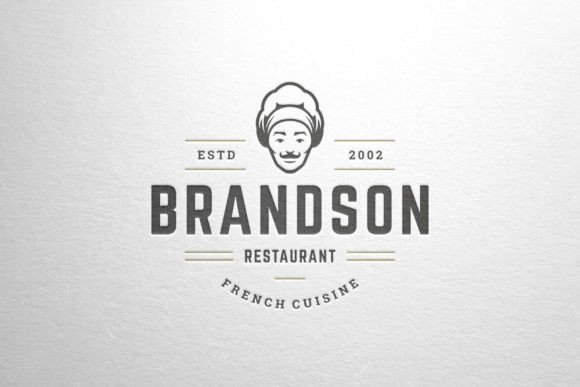
Male Chef Face Restaurant Logotype: Integrating Premium Vintage Design into Culinary Branding Workflows
In the competitive landscape of food service and hospitality, visual identity is not merely an aesthetic choice; it is a strategic asset that communicates quality, heritage, and culinary expertise before a customer even tastes the food. For professionals in restaurant management, branding agencies, and freelance designers, finding a logo template that balances traditional elegance with modern vector flexibility is critical. The Male Chef Face Restaurant Logotype represents a sophisticated solution for establishments aiming to project an image of premium vintage Italian or French cuisine. This article explores how this specific design asset fits into broader creative workflows, from initial concept development to final brand implementation.
Understanding the Asset: More Than Just a Graphic
The Male Chef Face Restaurant Logotype is described as a premium vintage logo design template featuring a chef head vector illustration. It is designed specifically for luxury food cooking and catering services. Unlike generic clip art, this asset is built on a foundation of 100% editable vector shapes. This technical specification is crucial for any designer or business owner who intends to use the logo across various media, from high-resolution print menus to small-scale social media avatars.
The design language relies on retro decorative marks, which evoke a sense of history and craftsmanship. In the context of Italian and French gastronomy, this visual cue suggests authenticity, tradition, and attention to detail. The male chef portrait serves as a focal point, humanizing the brand and establishing a connection between the artisan (the chef) and the consumer. By selecting a template with these specific characteristics, brands can immediately signal their positioning in the market without relying solely on copywriting.
Technical Specifications and File Structure
For seamless integration into professional workflows, the file structure of the Male Chef Face Restaurant Logotype is designed for maximum utility. The package typically includes:
- PSD Files: These contain fully editable text layers and vector shapes. This allows for direct manipulation of typography and graphical elements within Adobe Photoshop, making it accessible for users who may not have advanced Illustrator skills but need precise control over color and layout.
- EPS CS2 Files: As a standard vector format, EPS ensures that the logo remains crisp at any scale. The inclusion of editable text in this format supports long-term scalability, allowing the brand to update its name or tagline without losing vector integrity.
- JPG Previews: High-resolution previews facilitate quick review and approval processes during client presentations or internal team meetings.
- Help File: A documentation file often accompanies such templates, providing links to download free fonts used in the design. This is a vital component for consistency, ensuring that the final output matches the intended typographic style.
It is important to note that mock-ups and photos used in presentation images are not included. This separation forces the user to engage with the raw assets, fostering a deeper understanding of how the logo interacts with different backgrounds and contexts. This "blank slate" approach encourages customization rather than passive adoption.
Workflow Integration: From Purchase to Deployment
Acquiring a logo template is just the first step in the branding process. The true value of the Male Chef Face Restaurant Logotype lies in how it is adapted and deployed within a comprehensive brand strategy. Here is how this asset integrates into practical workflows for entrepreneurs and designers.
Phase 1: Preparation and Customization
Before applying the logo to any physical or digital medium, the asset must be tailored to the specific restaurant’s identity. Because the template features fully editable colors and shapes, the designer can adjust the palette to match the establishment’s interior design, tableware, or marketing materials. For a classic Italian trattoria, warm earth tones might be appropriate, while a modern French bistro might benefit from a monochromatic or navy-and-gold scheme.
The typography should also be reviewed. Using the help file to identify and install the correct free fonts ensures that the text renders correctly across all devices and printing presses. This step is often overlooked but is essential for maintaining professional quality. If the font is missing, the logo may default to a system font, breaking the visual cohesion of the brand.
Phase 2: Consistency Across Touchpoints
Once customized, the Male Chef Face Restaurant Logotype needs to be applied consistently across all customer touchpoints. This includes:
- Physical Signage: The vector nature of the EPS file ensures that the logo can be scaled up for storefront signs or window decals without pixelation or loss of detail.
- Print Materials: Menus, napkins, and business cards require high-resolution outputs. The PSD and EPS files provide the necessary resolution for offset or digital printing.
- Digital Presence: Social media profiles, website headers, and email signatures demand scalable vectors. Converting the EPS file to SVG or PNG formats with transparent backgrounds allows for versatile web usage.
By starting with a high-quality vector source, the brand maintains visual integrity regardless of the medium. This consistency builds trust and recognition among customers.
Phase 3: Collaboration and Handoff
For freelancers and agencies working with restaurant owners, the file structure plays a key role in collaboration. The layered PSD and editable EPS files allow for easy handoff. The client can see exactly which elements are text and which are graphics, facilitating clear communication about changes. For example, if the restaurant decides to change its name from "Bistro A" to "Bistro B," the editable text layer makes this update instantaneous.
This transparency reduces revision cycles and minimizes errors. It also empowers the client to make minor adjustments in the future, provided they have the necessary software access, thereby extending the lifecycle of the design investment.
Strategic Considerations for Luxury and Vintage Positioning
The choice of a vintage-style chef logo is a deliberate branding decision. It appeals to consumers who value tradition, skill, and authentic culinary experiences. However, integrating this aesthetic into a modern workflow requires careful balance. The retro decorative mark must not feel outdated or cluttered. Instead, it should feel timeless.
When using the Male Chef Face Restaurant Logotype, consider the following factors:
- Simplicity: Ensure that the logo remains legible when scaled down. Complex vintage details can get lost on mobile screens or small packaging.
- Color Contrast: Vintage palettes often rely on muted tones. Ensure sufficient contrast for readability, especially on light-colored menus or dark wood signage.
- Contextual Harmony: The logo should complement, not compete with, other visual elements like photography of food or interior design shots. Its role is to anchor the brand, not to dominate every visual interaction.
Long-Term Value and Adaptability
One of the most significant advantages of using a vector-based template like the Male Chef Face Restaurant Logotype is its adaptability over time. Brands evolve, and logos must too. Perhaps the restaurant expands its menu to include seafood, requiring a subtle shift in color accents. Or maybe the owner wants to introduce a sub-brand for catering services. With editable vector shapes, these variations can be created efficiently without starting from scratch.
This longevity offers a better return on investment compared to static raster images or non-editable designs. It allows the business to maintain a cohesive visual identity while adapting to market changes. For hobbyists and small business owners, this means less stress and lower costs associated with rebranding efforts.
Conclusion
The Male Chef Face Restaurant Logotype is more than a decorative image; it is a functional tool for building a premium culinary brand. Its vector-based structure, editable components, and vintage aesthetic make it suitable for a wide range of applications, from high-end dining establishments to boutique catering services. By integrating this asset into a structured workflow—focusing on preparation, consistency, and strategic adaptation—business owners and designers can create a strong, lasting visual identity that resonates with their target audience. Whether you are launching a new venture or refreshing an existing brand, this template provides the flexibility and quality needed to succeed in the competitive food industry.