Decorative Wall Clock Laser Cut
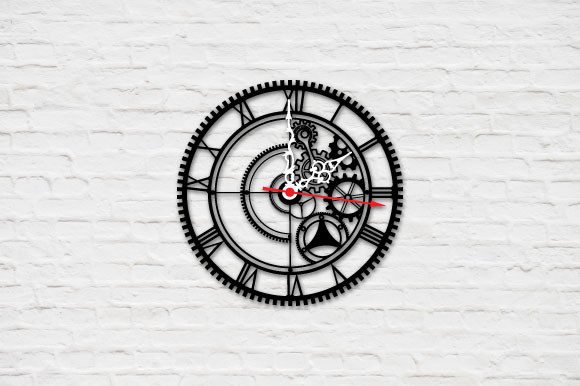
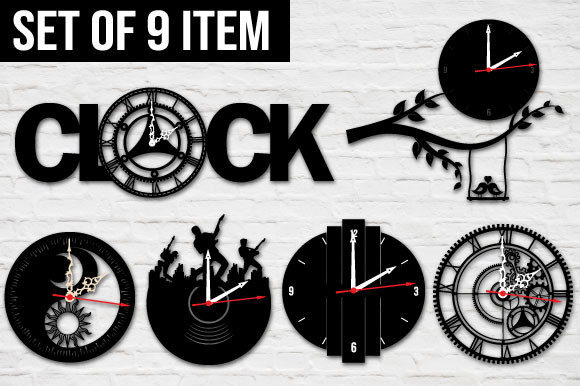
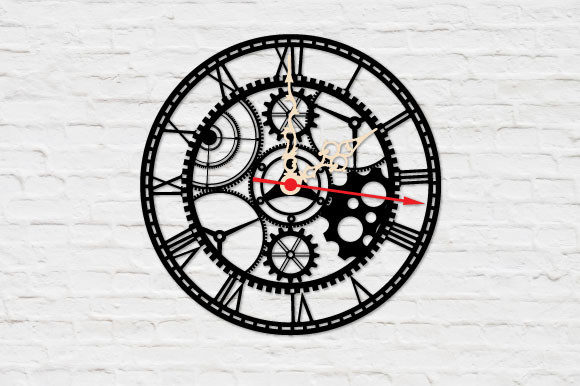
Decorative Wall Clock Laser Cut is a modern and artistic way to create custom wall clocks using laser cutting technology. This method allows for intricate designs, precise shapes, and personalized elements that make each clock unique and visually appealing. Whether you're an artisan, a small business owner, or someone who enjoys DIY projects, laser-cut decorative wall clocks offer a blend of functionality and creativity.
What Is a Decorative Wall Clock Laser Cut?
A Decorative Wall Clock Laser Cut is essentially a clock face that has been crafted using a laser cutter to shape materials like wood, acrylic, or metal into detailed patterns. The laser follows digital designs with high accuracy, enabling complex geometries and fine details that are difficult to achieve manually. These clocks can be both elegant and whimsical, depending on the design you choose.
Types of Files You’ll Receive
When you purchase or download a Decorative Wall Clock Laser Cut file, you typically receive multiple file formats in one ZIP folder. These may include:
- SVG files: Ideal for use in vector-based software such as Adobe Illustrator or Inkscape.
- EPS files: Great for professional printing and editing in graphic design programs.
- PDF files: Useful for visual layout previews and printing instructions.
- DXF files: Compatible with most laser cutting machines, especially those used in industrial settings.
These files give you the flexibility to work with your preferred tools and ensure your design translates well from screen to material.
Why Choose Laser-Cut Wall Clocks?
Laser-cut wall clocks are popular because they combine artistry with precision. Unlike traditional clocks, which often have limited design options, laser-cut models let you bring your own vision to life. They’re also versatile—you can scale designs up or down, add text, or incorporate brand logos easily. For professionals, this means endless opportunities for product customization and branding. For hobbyists, it's a fun way to experiment with design and craftsmanship.
Who Benefits Most?
The appeal of a Decorative Wall Clock Laser Cut extends across various audiences. Small business owners might use them to create branded merchandise for retail or promotional purposes. Educators could integrate them into classroom activities to teach design principles. Bloggers and content creators might feature them in lifestyle posts or craft tutorials. Even home decor enthusiasts enjoy making these clocks part of their personal style, adding a touch of individuality to any room.
Realistic Use Cases and Examples
Here are some practical examples of how a Decorative Wall Clock Laser Cut can be used:
- Home Decor: Create a custom clock with family names or a meaningful date to hang in your living room or bedroom.
- Gifts and Merchandise: Design personalized clocks for customers or clients—think wedding favors, birthday gifts, or corporate giveaways.
- Commercial Projects: Offer laser-cut wall clocks as part of your product line if you run a boutique or online store focused on handmade items.
- Classroom Activities: Teachers can use these files to help students learn about time, design, and manufacturing processes in STEM or arts classes.
For example, a local shop owner might sell a series of seasonal laser-cut clocks—fall leaves in October, snowflakes in December, and flowers in spring. Each design uses the same base mechanism but features different laser-cut patterns to keep the collection fresh and relevant throughout the year.
Beginner-Friendly Tips
If you're new to laser cutting, start by downloading a sample Decorative Wall Clock Laser Cut file. Extract the ZIP archive using a tool like WinZIP or WinRAR. Once extracted, open the SVG or DXF file in your laser cutting software. Make sure you understand the layers and components before proceeding with the cut. Begin with simple designs and gradually move to more complex ones as you become comfortable with the process.
How to Get Started with Your Files
After you’ve downloaded your Decorative Wall Clock Laser Cut files, the next step is to prepare them for production. First, extract the contents of the ZIP file. Then, choose the appropriate file format based on your machine’s requirements. If you're working with a hobbyist laser cutter at home, SVG or DXF might be the best options. For professional-grade equipment, EPS or PDF could provide better compatibility.
Tools You Might Need
To get the most out of your laser-cut wall clock project, consider having the following tools ready:
- A laser cutting machine (or access to one at a local workshop).
- Design software like Adobe Illustrator, CorelDRAW, or Inkscape.
- Quality materials such as plywood, MDF, or acrylic sheets.
- A clock mechanism kit that fits the size of your design.
- Basic hand tools for assembly, including a screwdriver and maybe a small drill.
Having the right tools ensures smooth workflow and helps avoid unnecessary delays or mistakes during the cutting and assembly phases.
Important Things to Consider Before Starting
Before diving into your first Decorative Wall Clock Laser Cut project, there are a few key factors to keep in mind:
- Material Thickness: Ensure your design matches the thickness of the material you're using. Some clock mechanisms require specific clearances.
- Machine Compatibility: Not all laser cutters accept the same file types. Check what formats your machine supports before finalizing your purchase.
- Design Complexity: More intricate designs take longer to cut and may require higher power settings. Test your machine with simpler cuts first.
- Assembly Instructions: Many laser-cut kits come with templates or guidelines. Review these carefully to streamline the build process.
- File Quality: High-resolution SVG and DXF files will yield cleaner results. Always verify that the files you receive are properly formatted and scalable.
By addressing these considerations early, you can save time and reduce the risk of errors when bringing your design to life.
Customization Possibilities
One of the biggest advantages of using a Decorative Wall Clock Laser Cut file is the ability to customize. You can adjust colors, fonts, and even add images or symbols to reflect your personality, brand identity, or event theme. For instance, a blogger creating a holiday-themed post might design a clock with a festive wreath pattern and a warm red and green color scheme. This kind of personalization makes the project more engaging and the final product more marketable or memorable.
Where Can You Display Your Laser-Cut Wall Clock?
Once your clock is assembled, the placement possibilities are vast. Here are some common spots where people display their creations:
- Kitchen: A stylish laser-cut clock can serve as a functional centerpiece while complementing cabinetry or backsplash tiles.
- Living Room: Hang one above a sofa or fireplace to add a focal point with a creative twist.
- Office or Study: These clocks can inspire productivity or simply enhance the aesthetic of a workspace.
- Event Venues: Custom clocks make great decorations for weddings, baby showers, or themed parties.
- Retail Stores: Artisans can showcase their laser-cut clocks in boutiques or pop-up shops to attract customers looking for unique home goods.
Each location offers a different opportunity to highlight your design, whether it’s as a conversation starter or a subtle addition to the décor.
Combining Function and Art
While the primary function of a wall clock is to tell time, a Decorative Wall Clock Laser Cut elevates it beyond utility. It becomes a piece of wall art that reflects your style or tells a story. The combination of clean lines, geometric shapes, or nature-inspired motifs gives these clocks a timeless yet contemporary feel. With the right materials and finishes, they can match almost any interior design—from rustic farmhouse to sleek modern spaces.
Sharing and Selling Your Work
If you're an entrepreneur or creator, laser-cut wall clocks can be a valuable product to share or sell. They’re relatively easy to produce once you’ve mastered the basics and can be priced affordably compared to mass-produced alternatives. You can upload your finished designs to platforms like Etsy, Shopify, or social media to reach potential buyers. Including a short description of how the clock was made—mentioning the laser-cutting process and the file formats used—can add credibility and interest to your listings.
Marketing Ideas
Think creatively about how to present your Decorative Wall Clock Laser Cut products. Here are a few ideas:
- Create a video showing the entire design-to-finish process, highlighting the ZIP file extraction and laser cutting steps.
- Offer downloadable SVG and DXF files for customers who want to make their own clocks.
- Bundle clock kits with materials and mechanisms for convenience and added value.
- Run promotions around holidays or events, offering themed designs like Christmas trees, hearts for Valentine’s Day, or sunflowers for spring.
These strategies not only boost sales but also help educate others about the versatility of laser-cut designs.
Final Thoughts
Whether you're crafting for personal enjoyment or commercial success, a Decorative Wall Clock Laser Cut opens the door to countless creative opportunities. With the right file formats and a bit of practice, you can turn digital designs into beautiful, functional pieces of art. The ZIP file format ensures all your necessary assets are neatly organized, and extracting them with tools like WinZIP or WinRAR gets you started quickly. So, if you're ready to explore the intersection of design and craftsmanship, laser-cut wall clocks are a fantastic place to begin.