Composition Notebook Label: A Simple Tool with Big Benefits for Everyday Use
Whether you're a student, teacher, artist, or small business owner, the composition notebook label has quietly become an essential part of organization and personalization. These labels aren’t just for marking who owns what—they’re tools that help streamline your workflow, enhance creativity, and add a professional touch to your projects. In this article, we’ll explore how composition notebook labels can be used in real-life situations, why they matter, and how different people can benefit from them across various settings.
What Is a Composition Notebook Label?
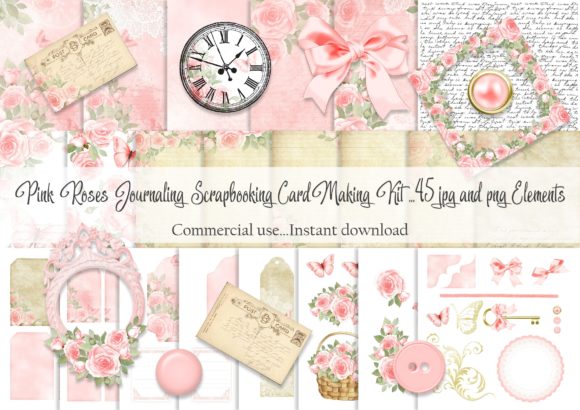
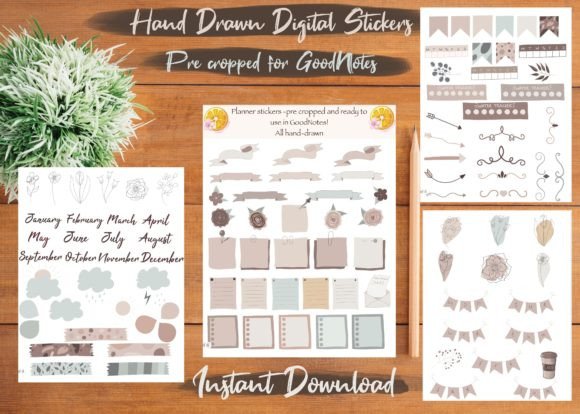
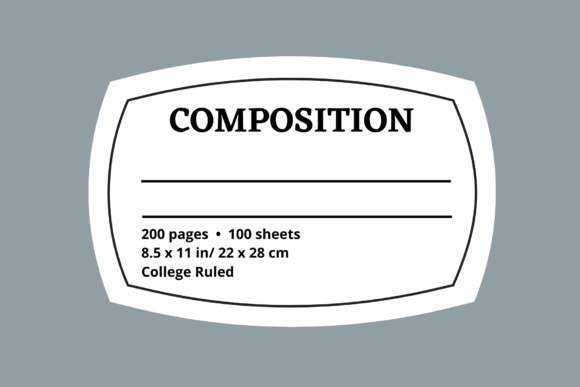
A composition notebook label is typically a sticker or decal applied to the cover of a standard composition notebook. These notebooks are durable, lined books commonly used in schools, offices, and creative spaces. The label serves as a name tag, subject identifier, or decorative element, depending on the user’s needs. While traditional paper labels have been around for years, modern options like printable, clipart-based, or Cricut-compatible designs offer more flexibility and style.
Labels can be found in SVG, PNG, or PDF formats, often at high resolutions such as 2400 x 1600 px, which makes them ideal for custom printing or digital editing. Some come in themed collections—like arts and crafts, productivity, or seasonal designs—allowing users to match their personality or purpose.
Where and When You Might Use a Composition Notebook Label
Composition notebook labels are incredibly versatile. Here are some common places where you might find yourself using one:
- Schools and Classrooms: Teachers assign composition notebooks to students for subjects like math, science, or English. A clear label ensures the right person gets the right book back after class.
- Creative Studios: Artists and crafters use these notebooks for sketching, journaling, or planning projects. A label can indicate the project type or serve as a decorative accent.
- Freelance Workspaces: Freelancers and entrepreneurs track ideas, client notes, or project timelines in composition notebooks. A label helps identify the notebook’s purpose quickly.
- Home Organization: Parents, hobbyists, or planners may use labeled notebooks for meal prep, budgeting, or DIY project logs.
- Podcasts and Content Creation: Bloggers and podcasters sometimes use composition notebooks for brainstorming or note-taking during recording sessions. A label can denote the topic or date.
The timing of when to apply a label often depends on the situation. For example, a teacher might apply labels at the start of each school year, while a content creator might do it before a new project begins. Choosing the right time can save confusion and keep your workspace running smoothly.
Why It Matters: More Than Just a Name Tag
While labeling a notebook might seem minor, it plays a significant role in both practicality and personal expression. A well-designed label can make your notebook stand out in a stack, helping you find it faster. It also adds a layer of professionalism—especially if you’re sharing notes or handing out samples in a business context.
For instance, if you run a small design studio and hand out notebooks to clients for feedback, a custom Composition Notebook Label with your logo or brand colors instantly elevates the impression. It tells the client, “This is serious work,” without needing words.
Real-World Use Cases Across Different Professions
Let’s look at how specific groups integrate these labels into their daily routines:
1. Educators and Students
In classrooms, teachers often struggle with lost or misplaced notebooks. A printable composition notebook label allows educators to create customized tags with student names, class titles, or even grading codes. This not only keeps things organized but also teaches students responsibility and accountability.
Students can personalize their notebooks too. A label featuring motivational quotes or favorite characters (using clipart or Cricut stickers) can encourage engagement and ownership. Plus, color-coded labels by subject make it easier to manage multiple classes or assignments.
2. Creatives and Artists
Artists love composition notebooks for their portability and durability. But when managing several projects, it’s easy to mix up sketches or lose inspiration. A label with the project title, date, or a visual theme can act as a quick reference point.
Using a Cricut machine to cut custom shapes or add intricate designs makes each notebook unique. Imagine a label shaped like a paintbrush for your art journal or a musical note for songwriting sessions. These subtle touches make your creative space feel more intentional and expressive.
3. Entrepreneurs and Business Owners
Entrepreneurs juggle many tasks at once. They might use one composition notebook for client notes, another for marketing strategies, and yet another for financial tracking. Applying a distinct label to each notebook helps maintain clarity and focus.
For small businesses selling journals or planner kits, branded Composition Notebook Labels can be a smart way to package products. Think about adding a POD-style (Print on Demand) label with a minimalist design that matches your brand aesthetic. This not only looks polished but also reinforces your identity every time someone uses the notebook.
4. Home Cooks and Meal Planners
Meal preppers and home chefs often rely on notebooks to plan weekly menus, list grocery items, or jot down recipe variations. A label like “Breakfast Ideas” or “Weekly Meal Plan” lets everyone in the household know what the notebook is for, reducing clutter and confusion.
Some people go a step further by creating colorful, themed labels with clipart of fruits, vegetables, or kitchen utensils. These visuals make the notebook more inviting and fun to use, especially for families or those just starting with meal planning.
How to Choose the Right Composition Notebook Label
Not all labels are created equal. Before choosing or applying a Composition Notebook Label, consider the following factors:
- Purpose: Are you labeling for identification, branding, or decoration? Each goal may require a different style or material.
- Durability: If the notebook will be handled frequently or exposed to moisture, opt for waterproof or laminated labels.
- Size and Shape: Make sure the label fits the dimensions of your notebook. Many templates are designed for the standard 7 x 9 inch size, but check before printing.
- Design Style: Choose a design that reflects your personality or aligns with your professional brand. SVG and PNG files allow for customization, so don’t hesitate to tweak the layout or fonts.
- Application Method: Decide whether you want to print the label at home, use a Cricut machine, or buy pre-made versions. Each method offers pros and cons in terms of cost, time, and quality.
Take, for example, a blogger who uses composition notebooks for drafting content. They might prefer a sleek, minimalistic label with their blog’s name and logo. On the other hand, a kid-friendly hobbyist might enjoy using bright, playful clipart-based labels that reflect their interests.
Practical Examples That Bring Value
Here are a few realistic scenarios where a Composition Notebook Label makes a noticeable difference:
- Scenario 1: A teacher creates a set of printable labels for each student in her class. She prints them on cardstock and applies them to the front covers. At the end of the day, returning the correct notebook to each student becomes effortless.
- Scenario 2: A graphic designer runs a small online shop selling handmade journals. By downloading SVG/PNG label templates and designing them with her brand colors, she enhances the product’s appeal and gives customers a cohesive unboxing experience.
- Scenario 3: A college student organizes their semester materials using color-coded labels. One notebook is marked “Biology Notes,” another “History Projects,” and a third “Creative Writing.” This simple system saves time and reduces stress during study sessions.
- Scenario 4: A homeschooling parent uses themed labels to differentiate between subjects. Math notebooks get a calculator icon, history ones feature a globe, and art books include a palette. The kids instantly know which notebook to grab for each lesson.
These examples show how something as simple as a label can lead to better habits, improved efficiency, and a more enjoyable experience.
Things to Consider Before Applying or Buying
Before purchasing or printing a Composition Notebook Label, ask yourself a few key questions:
- Will the label withstand frequent handling or exposure to elements like water or heat?
- Does the design clearly communicate the notebook’s purpose without being too busy?
- Am I able to edit or customize the file format (e.g., SVG or PNG) to suit my needs?
- Is the label size compatible with my notebook’s cover?
If you're using a Cricut machine, ensure the file format supports your software and cutting mat. If you're going the printable route, invest in good-quality adhesive or lamination to prevent peeling or fading over time.
Customization Tips for Maximum Utility
One of the best parts about modern Composition Notebook Labels is their adaptability. Here are some tips to maximize their usefulness:
- Add a QR code linking to a digital version of your notes or a related website.
- Use color gradients or textures to highlight different categories (e.g., red for urgent, green for long-term plans).
- Include a small section for dates or deadlines directly on the label for added structure.
- Try using transparent labels for a clean, modern look without hiding the notebook’s original design.
For instance, a freelancer might add a label that says “Client X – Project Timeline” with a subtle background texture that matches their brand. Or a podcaster could use a label with their show’s name and episode number to keep notes organized during production.
Conclusion Through Experience
Over the years, I’ve seen firsthand how a thoughtful Composition Notebook Label can transform the way people interact with their notebooks. Whether it’s for academic purposes, creative exploration, or business branding, the right label adds value beyond aesthetics. It helps establish systems, reinforce identities, and reduce the mental load of keeping track of important documents.
By understanding your needs and selecting a label that fits both function and form, you can turn a basic composition notebook into a powerful tool for productivity and personalization. So next time you reach for a notebook, consider what kind of label would best support your goals—and maybe even your style.