Doodle Daisy Flower Watercolor Clipart
In the realm of digital design, the difference between a functional asset and a standout visual element often comes down to texture, mood, and cohesion. When you are assembling a brand identity, designing a wedding invitation suite, or creating educational materials for students, the choice of graphical elements dictates the tone of the entire project. This is where Doodle Daisy Flower Watercolor Clipart enters the workflow as more than just decoration; it serves as a foundational aesthetic component that bridges the gap between rigid vector graphics and organic, hand-crafted artistry.
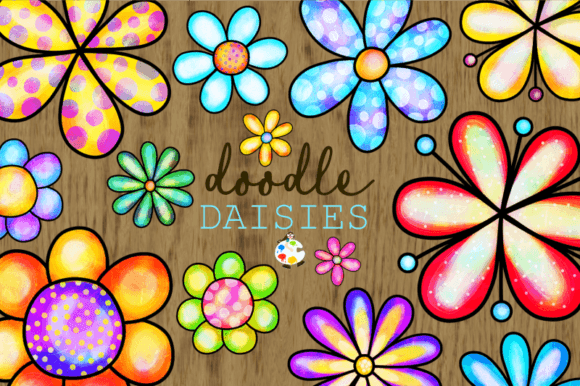
The specific set in question, often referred to as "Doodle Daisy Flowers – Isolated Clipart Objects - Set 2," offers a curated collection of twenty unique designs. These are not merely generic flower icons but distinct watercolor ink-style illustrations that bring vibrancy and depth to flat layouts. For professionals ranging from freelance graphic designers to small business owners managing their own social media content, understanding how to integrate these assets effectively can streamline the creative process while elevating the final output.
Understanding the Asset: Composition and Quality
Before diving into implementation, it is crucial to understand what makes this specific clipart set viable for professional use. The set contains twenty individual floral images, each isolated on a transparent background. In terms of technical specifications, you receive PNG files at 300 DPI with 3000 pixels on the longest side. This resolution is significant because it ensures that the assets remain crisp whether they are being used for a mobile-friendly blog header or printed on high-quality cardstock for a physical product launch.
The artistic style is defined by its watercolor ink effect. Unlike solid-color vectors that can sometimes feel sterile or overly corporate, watercolor textures introduce subtle variations in opacity and color saturation. This mimics the behavior of real paint on paper, providing a softness that resonates well with themes of spring, summer, blossoms, and garden aesthetics. The vibrant coloring ensures that the daisies do not get lost in busy backgrounds, making them effective focal points or complementary accents depending on your layout needs.
Integration into Design Workflows
Integrating Doodle Daisy Flower Watercolor Clipart into a project requires a shift in mindset from simple placement to strategic composition. Here is how these assets fit into various stages of a creative workflow:
Pre-Production and Mood Boarding
During the initial planning phase, designers often create mood boards to establish a visual direction. Using these isolated daisy clips allows you to test color palettes quickly. Because the flowers are vibrant and have a natural, organic feel, they can help anchor a palette that might otherwise feel too abstract. If you are working with a client who struggles to articulate their vision, showing them a mockup featuring these watercolor daisies can provide immediate clarity regarding the desired emotional response—typically one of freshness, joy, and approachability.
Asset Organization and Preparation
Efficiency in design relies heavily on file management. Once you download the set, the first step in your workflow should be organizing the files. Create a dedicated folder structure within your design software’s library or your local drive. Label the twenty unique designs clearly (e.g., “Daisy_Set2_01” through “Daisy_Set2_20”). This preparation prevents the common bottleneck of searching for the right shade or shape during the heat of production. Furthermore, since the images are PNGs with transparency, ensure your design environment supports alpha channels so that the edges blend seamlessly with any background layer.
Implementation in Digital Media
For bloggers, marketers, and content creators, these clipart objects are versatile tools for breaking up text-heavy pages. Instead of using standard stock photography which may lack uniqueness, incorporating these watercolor daisies adds a bespoke touch to articles about gardening, lifestyle, mental health, or seasonal trends.
- Social Media Graphics: Use the larger daisy designs as corner accents on Instagram posts or Pinterest pins. Their vibrant colors attract attention in crowded feeds without overwhelming the main message.
- Email Newsletters: Embed smaller instances of the flowers as dividers between sections. This maintains visual continuity and guides the reader’s eye through the content naturally.
- Website Headers: Combine multiple daisy designs to create a custom banner. The varying sizes and orientations allow for dynamic compositions that look handmade rather than templated.
Physical Product Creation
For entrepreneurs selling physical goods, such as stationery, apparel, or home decor, the 300 DPI resolution is critical. You can scale these Doodle Daisy Flower Watercolor Clipart images up for large-format prints without pixelation. However, always perform a quality control check before sending files to print. Convert the RGB color mode to CMYK if necessary to account for printer limitations, though the vibrant nature of these digital paints usually translates well to modern printing processes.
Complementary Assets and Ecosystem Synergy
No design exists in a vacuum. The value of this clipart set increases significantly when paired with other complementary resources. The creator notes that there are digital papers available in their store created using these same flowers. Leveraging this ecosystem is a smart strategic move. By using matching background patterns alongside the isolated clipart, you ensure color harmony and thematic consistency across all your brand materials.
If you are building a comprehensive brand kit, consider pairing these watercolor daisies with fonts that have similar organic qualities—such as handwritten scripts or soft serifs. Avoid pairing them with harsh, geometric sans-serifs unless you are intentionally aiming for a contrast between modern minimalism and rustic charm. This deliberate pairing reinforces the narrative of your brand, whether that narrative is centered on creativity, nature, or personal care.
Best Practices for Long-Term Use
To maximize the utility of this asset set over time, adopt a few practical habits:
- Maintain Consistency: Do not mix these watercolor daisies with highly realistic photographic flowers in the same project unless you are skilled at blending styles. The juxtaposition can look disjointed. Stick to the watercolor or doodle aesthetic for a cohesive look.
- Layering Techniques: Experiment with layering. Place a semi-transparent daisy behind text to create a watermark effect, or overlay a smaller flower on top of a larger one to add depth. The transparency of the PNG files makes this technique easy to execute in most design software.
- Color Adaptation: While the colors are vibrant, you can adjust the hue or saturation slightly to match specific brand guidelines. However, be cautious not to lose the characteristic watercolor texture, as that is the primary appeal of the asset.
- Usage Rights Verification: Always review the license agreement associated with the purchase. Most commercial clipart sets allow for both personal and commercial use, but restrictions on reselling the raw files as standalone products are common. Ensure your usage falls within the permitted scope to avoid legal issues.
Conclusion
The Doodle Daisy Flower Watercolor Clipart set is more than a collection of pretty images; it is a functional tool for enhancing visual communication. By understanding its technical specifications, integrating it thoughtfully into your design workflows, and pairing it with complementary assets, you can produce work that feels both professional and personally crafted. Whether you are brightening up a digital newsletter or preparing print-ready materials for a seasonal campaign, these twenty unique daisy designs offer the flexibility and quality needed to execute your vision efficiently and effectively.