Watercolor Rainbow Borders Clip Art
Creating visually appealing documents often requires more than just strong content; it demands a touch of aesthetic harmony. This is where Watercolor Rainbow Borders Clip Art becomes an invaluable asset for creators, educators, and small business owners alike. The soft, blended hues of watercolor combined with the vibrant optimism of a rainbow offer a unique way to frame text, separate sections, or simply add personality to digital and printed materials. However, not all clip art is created equal, and choosing the wrong assets can lead to frustrating editing sessions, poor print quality, or designs that look amateurish rather than professional.
The market is saturated with low-resolution images and poorly formatted files. Before you download another pack, it is crucial to understand what makes high-quality decorative borders effective and how to avoid common pitfalls that waste time and compromise your final output. By focusing on technical specifications and practical application, you can ensure that your projects stand out for the right reasons.
Why Watercolor Aesthetics Matter in Design
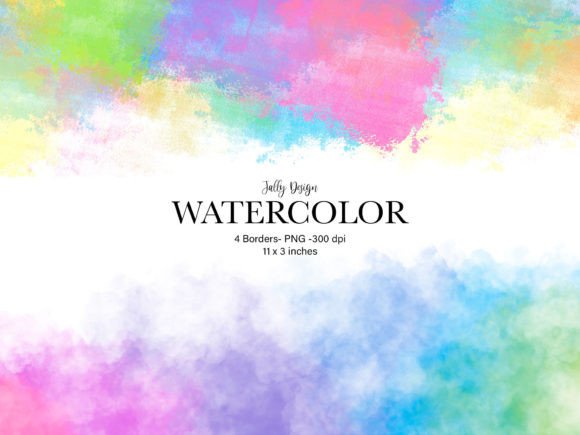
Watercolor textures bring a sense of organic warmth and handcrafted charm to digital designs. Unlike rigid geometric shapes or sharp vector lines, watercolor edges are irregular and fluid, which helps them blend seamlessly into various backgrounds without feeling intrusive. When applied as borders, they guide the eye gently across the page rather than boxing it in harshly.
For educators designing worksheets, the soft colors reduce visual stress while maintaining engagement. For bloggers, these borders provide a consistent brand identity that feels approachable and creative. Small business owners use them to make invoices, receipts, and promotional flyers feel less transactional and more personal. The key lies in selecting assets that maintain their integrity whether viewed on a smartphone screen or printed on standard letter-sized paper.
Common Mistakes When Selecting Digital Borders
One of the most frequent errors users make is overlooking file resolution. It is tempting to choose a free or cheap border because it looks pretty in a thumbnail preview. However, if the image is low resolution, it will appear pixelated or blurry when enlarged. This is particularly damaging for printable materials. If you plan to print your work, you need high-definition assets that retain their crispness at larger sizes.
Another significant oversight involves background transparency. Many beginners assume that any white area in an image is transparent. In reality, many clip art files have solid white backgrounds. If you place a border with a white background over a colored section of your document, it will create an ugly, opaque box that disrupts your layout. True transparency allows the border to sit naturally on top of any background color or texture you choose.
Finally, there is the issue of format compatibility. Not all software handles every image type equally well. While JPG files are universal, they do not support transparency. Using a JPG for a border that needs to overlay other elements will result in a white square surrounding your design. Always prioritize formats that preserve alpha channels, such as PNG, especially when working in digital planning apps or graphic design software.
Essential Features for Professional Results
To avoid the issues mentioned above, you should evaluate potential purchases based on specific technical criteria. Here is what you need to look for to ensure usability and quality:
- High Resolution (300 dpi): Standard screen images are typically 72 dpi, which looks fine on a monitor but prints poorly. A 300 dpi high quality file ensures that every brushstroke and color gradient remains sharp when printed. This is non-negotiable for physical products like journals, greeting cards, or classroom posters.
- Transparent Background: As noted, this feature is critical for layering. Ensure the product explicitly states it has a transparent background. This allows you to drag and drop the border onto any part of your canvas without manually erasing white space, saving hours of editing time.
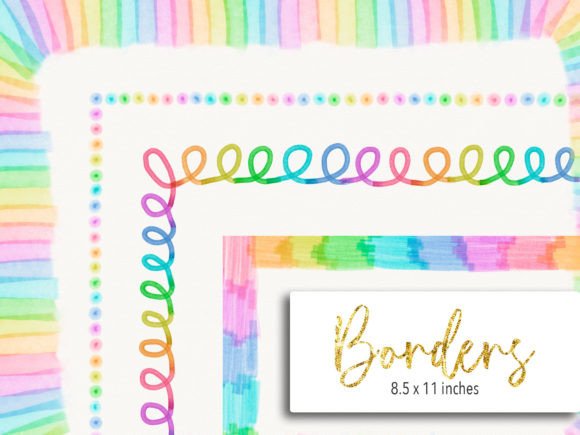
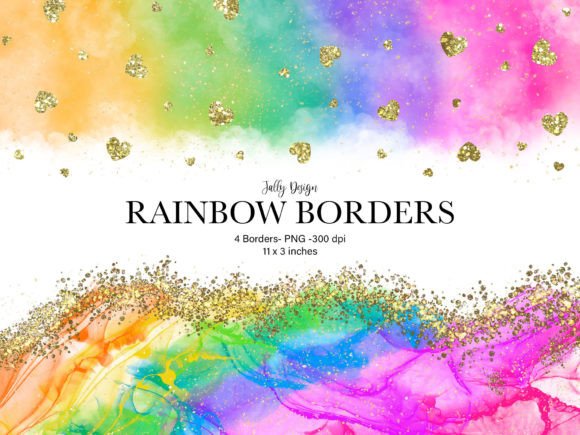
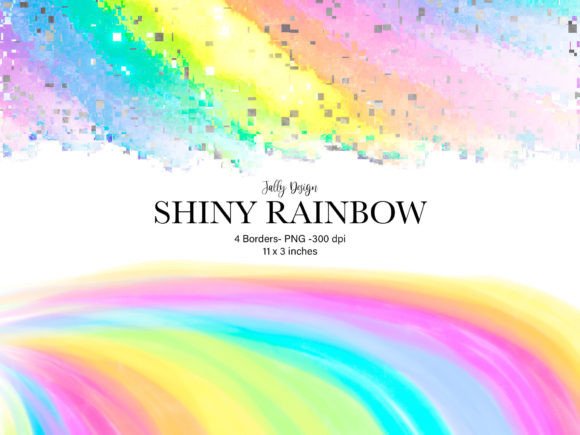
- Standard Dimensions: Borders designed for 11 x 3 inches letter size are versatile. They fit perfectly across the top or bottom of standard US Letter and A4 pages. This standardized sizing means you won’t have to stretch or distort the image, which would otherwise ruin the aspect ratio and blur the watercolor effect.
- PNG Format: Opt for png files whenever possible. They offer lossless compression, meaning the image quality does not degrade every time you save or edit the file. This is especially important if you are using the same asset in multiple projects over time.
Practical Applications and Workflow Tips
Once you have secured high-quality assets, knowing how to use them effectively is the next step. These borders are incredibly versatile. You can use them to decorate your writing paper for handwritten notes, adding a splash of color to otherwise plain stationery. Print the images directly onto cardstock for a personalized touch that recipients will appreciate.
In the digital realm, the utility expands significantly. Many professionals use these assets in applications like GoodNotes or Notability. By importing the transparent PNG borders, you can create custom digital planners, study guides, or presentation slides. The ability to resize the border without losing quality means you can adapt it for social media headers, email signatures, or blog post dividers.
Consider the context of your audience. If you are creating materials for children, the rainbow motif is engaging and cheerful. For corporate newsletters, the watercolor style adds a sophisticated break from traditional bullet points. The trick is consistency. Use the same border style throughout a document or campaign to build a cohesive visual language.
Evaluating Value Before Purchase
Before clicking "buy," take a moment to review the package contents. A good set should offer variety without being overwhelming. For instance, a collection of 4 Decorative borders provides enough options to keep your designs fresh without forcing you to sift through hundreds of redundant images. Check if the colors match your intended palette. Watercolor palettes can vary wildly from pastel pinks to deep blues; ensure the selection aligns with your brand or project theme.
Also, consider the ease of use. Are the files named logically? Is there a readme file explaining how to install them into your preferred app? Good sellers provide clear instructions, which reduces friction and enhances your overall satisfaction. Remember, the goal is to enhance your workflow, not complicate it.
By prioritizing quality, transparency, and appropriate sizing, you invest in tools that will serve you reliably across both digital and physical mediums. Avoid the trap of cheap, low-res alternatives that require constant re-editing. Instead, choose Watercolor Rainbow Borders Clip Art that respects your time and elevates your work. Whether you are a seasoned designer or just starting your creative journey, paying attention to these details will result in polished, professional outputs that communicate your message clearly and beautifully.