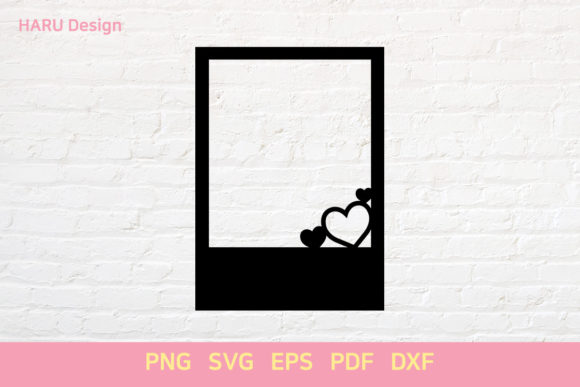
Polaroid Frame: A Modern Twist on Nostalgic Design
In an era where digital photography dominates, the Polaroid Frame brings a unique blend of vintage charm and modern functionality. This device allows users to print and display instant photos in a sleek, frame-like format—reviving the beloved Polaroid experience with contemporary convenience. But beyond its nostalgic appeal, the Polaroid Frame also intersects with evolving creative workflows, especially when it comes to working with various design file formats like SVG, EPS, PNG, PDF, and DXF on a 12in×12in artboard.
Understanding the Polaroid Frame
The Polaroid Frame is more than just a photo printer; it's a smart picture frame that doubles as a printing station. Designed for home or office use, it connects seamlessly to smartphones via Wi-Fi, enabling users to instantly print and display their favorite photos. The printed images are then displayed in the frame, updating automatically or manually depending on user preference. It’s a perfect solution for those who want to keep their digital memories tangible without cluttering their space with multiple devices.
Its relevance lies in the growing demand for hybrid experiences—where technology meets tactile elements. As people become increasingly conscious of screen time and seek meaningful ways to disconnect, the Polaroid Frame offers a compelling alternative. For creators, marketers, educators, and small business owners, it provides a fresh avenue to engage audiences through physical media while maintaining a digital-first approach.
Why the 12in×12in Artboard Matters
When designing content for the Polaroid Frame, one must consider the physical dimensions of the final output. The standard artboard size for compatible designs is 12 inches by 12 inches. This square format aligns perfectly with the aesthetic of instant photography and simplifies layout planning. Whether you're creating custom templates, promotional materials, or personal artwork, understanding this dimension ensures your visuals translate well from screen to print.
Professionals working with graphic design software often need assets in multiple file types. That’s where having access to formats like SVG, EPS, PNG, PDF, and DXF becomes essential. These files support scalability, vector-based editing, and compatibility across platforms—making them ideal for both digital and print applications.
How File Formats Enhance Creative Workflows
Designers and entrepreneurs can leverage different file types to streamline their processes. For instance, SVG (Scalable Vector Graphics) files allow for high-quality, scalable images that retain clarity at any resolution. This makes them excellent for logos or illustrations that will be used in print or online. EPS (Encapsulated PostScript) files serve a similar purpose, particularly for professional print jobs where precision is key.
Meanwhile, PNG files provide lossless compression and transparent backgrounds, making them suitable for web use or layered compositions. PDF files ensure consistent formatting across devices and are widely accepted in both digital and print environments. Lastly, DXF (Drawing Exchange Format) is crucial for technical designers and engineers who work with CAD software and require precise vector data for manufacturing or engraving purposes.
By offering these diverse file formats alongside the Polaroid Frame, creators can maintain flexibility. They can scale their artwork, tweak colors, and prepare for both digital sharing and physical presentation—all within a standardized 12in×12in canvas.
Real-World Applications and Examples
Consider a small business owner launching a new product line. They might create a series of promotional images in SVG and EPS formats to ensure they look sharp on everything from website banners to printed brochures. Once finalized, they could generate a 12in×12in version to print using the Polaroid Frame and place it in-store for customer engagement. The same image in PNG format can be shared on social media, while the PDF version is ready for email marketing or downloadable resources.
Freelancers and educators benefit similarly. An educator preparing classroom materials can design interactive posters in SVG and PNG, print them using the Polaroid Frame for visual aids, and share digital versions with students via PDF. Technical artists or signage professionals may use DXF files for laser-cutting or engraving projects inspired by the Polaroid Frame’s aesthetic.
This integration of file formats into a single cohesive workflow reflects how modern tools are designed to bridge the gap between digital creation and physical output. It empowers users to take full control of their design process without compromising quality or versatility.
Trends Shaping the Use of Instant Print Technology
Today’s consumers value experiences that combine utility with aesthetics. The rise of smart home devices, personalized gifts, and DIY culture has made products like the Polaroid Frame more appealing. People aren’t just looking to store photos—they want to showcase them in a way that feels authentic and expressive.
Moreover, businesses are recognizing the power of visual storytelling. With the ability to produce high-quality prints quickly, brands can incorporate real-time imagery into their campaigns, events, or customer interactions. This trend is especially strong in hospitality, retail, and event management sectors where creating memorable moments is central to success.
For creatives, the Polaroid Frame represents a shift toward accessible design tools. No longer do you need a commercial-grade printer or complex software to produce professional-looking prints. By pairing the device with versatile file formats, you can easily adapt your designs for multiple uses—saving time and resources in the long run.
Evolution of Digital to Physical Media
The Polaroid Frame is part of a broader movement toward blending digital and physical spaces. While cloud storage and social media dominate our lives, there’s a renewed appreciation for physical objects that tell stories. From mood boards to client proposals, professionals are finding new uses for printed media that feel more human and impactful.
Historically, instant cameras were popular for their spontaneity and authenticity. Today, the Polaroid Frame carries forward that legacy but adds layers of connectivity and customization. Users can now print not only photos but also QR codes, text overlays, and other graphics—all tailored to their specific needs using the right file format.
This evolution is driven by lifestyle shifts and changing user expectations. More people are choosing hybrid solutions that offer the best of both worlds: the speed and flexibility of digital tools combined with the emotional resonance of physical media.
Practical Implications for Different Audiences
For entrepreneurs, the Polaroid Frame opens up opportunities for unique branding and customer interaction. Imagine a boutique coffee shop offering customers a free Polaroid-style print of their order with a custom-designed label using SVG or EPS files. This kind of experience fosters loyalty and sets the brand apart in a crowded market.
Bloggers and content creators can use the Polaroid Frame to enhance their storytelling. Printing key images or quotes in a 12in×12in format and displaying them in their workspace or on their blog can add a personal touch that resonates with readers. The availability of multiple file types ensures that every element—from the background to typography—can be optimized for both digital and print delivery.
Educators and freelancers can integrate the Polaroid Frame into their teaching or project presentations. Custom templates created in vector formats like SVG and EPS can be resized or edited without losing quality, while the final print fits neatly into the frame for easy viewing and sharing. This combination supports dynamic, visually engaging communication in classrooms and client meetings alike.
Even hobbyists and DIY enthusiasts find value in the Polaroid Frame. Whether documenting a craft project, tracking fitness goals, or capturing travel moments, the ability to print and update a physical display in real time makes it easier to stay motivated and inspired. Using PNG and PDF files for digital drafts before printing ensures that each image looks its best when framed.
Optimizing Your Workflow with File Compatibility
To get the most out of the Polaroid Frame, it’s important to understand which file types work best for different stages of the creative process:
- SVG & EPS: Ideal for editable, scalable designs such as logos, illustrations, or layouts.
- PNG: Best for high-resolution images with transparency, especially if you plan to overlay text or graphics.
- PDF: Useful for final proofs and multi-page documents that need to maintain consistent formatting.
- DXF: Essential for technical artists or manufacturers who want to translate designs into physical products like engraved signs or cutouts.
Having all these file types available for a 12in×12in artboard means you can experiment freely and adapt your designs for a variety of outputs. Whether you’re preparing a portfolio, a marketing campaign, or a personal keepsake, the right file format ensures your vision stays intact from concept to completion.
Recommendations for Getting Started
If you’re considering incorporating the Polaroid Frame into your creative toolkit, here are a few tips to help you begin:
- Plan for the 12in×12in format: Always start with a clean, centered layout that respects the square aspect ratio. Avoid stretching or distorting content to fit.
- Use vector-based files for scalability: When designing logos, icons, or infographics, opt for SVG or EPS to preserve detail and make future edits easier.
- Test your PNG and PDF outputs: Before printing, preview how your final image will look in a static format. Adjust colors and contrast to match the Polaroid Frame’s print capabilities.
- Explore DXF for advanced applications: If you’re interested in fabrication or engraving, convert your design into a DXF file to maintain accuracy and precision.
Additionally, consider using design software like Adobe Illustrator or Inkscape to manage these file types efficiently. Many of these programs support exporting to multiple formats simultaneously, making it simple to prepare a complete set of assets for your next project.
Future Outlook and Realistic Expectations
As we move further into a hybrid world, tools like the Polaroid Frame will continue to evolve. While it’s already a powerful asset for creative expression and business promotion, future iterations may offer even greater customization options, such as higher-resolution printing or expanded color profiles. However, it’s important to remember that no single tool replaces comprehensive design practices—it enhances them.
For now, the Polaroid Frame remains a valuable option for those seeking to connect emotionally with their audience or simply enjoy the joy of holding a freshly printed photo. Its compatibility with industry-standard file formats ensures it won’t become obsolete in professional settings, and its user-friendly interface makes it accessible to everyone from seasoned designers to casual users.
Whether you’re a marketer, educator, hobbyist, or entrepreneur, embracing the Polaroid Frame can bring a refreshing balance to your digital life. It’s not just about printing photos—it’s about crafting meaningful, tangible experiences in a fast-paced, screen-centric world.