Papel Picado: A Vibrant Mexican Folk Art
Papel Picado, or "perforated paper," is a traditional Mexican art form that involves cutting intricate designs into long strips of tissue paper. These delicate, colorful banners are often seen fluttering in the breeze during festivals like Día de los Muertos (Day of the Dead), weddings, and town celebrations. The technique has ancient roots in China but was adopted and transformed by Mexican artisans into a powerful symbol of cultural identity and artistic expression.
The Origins and Cultural Significance of Papel Picado
Though its origins trace back to Chinese traditions where it was used in religious ceremonies and as decorative elements, Papel Picado found new life in Mexico. It’s believed that Spanish missionaries introduced the practice in the 16th century, blending it with indigenous customs over time. In Mexico, the art evolved beyond mere decoration—it became a meaningful part of rituals and community events.
During Día de los Muertos, for example, these banners are hung at altars and cemeteries to honor deceased loved ones. They serve as symbols of remembrance and celebration, representing the connection between the living and the dead. The visual impact of Papel Picado adds an ethereal quality to these spaces, making them more vibrant and welcoming for spirits returning home.
What Makes Papel Picado Unique?
- Colorful and Delicate: Tissue paper comes in a wide range of hues, allowing artists to create visually stunning pieces.
- Intricate Designs: Patterns often include skulls, flowers, animals, and geometric shapes, reflecting themes from Mexican folklore and nature.
- Cultural Expression: Each design tells a story, connects to tradition, and reflects regional diversity within Mexico.
- Lightweight and Airy: The banners are easy to handle and add movement and grace to any setting when displayed outdoors.
Why People Are Drawn to Papel Picado
There are many reasons why individuals—from hobbyists to professional designers—might become interested in Papel Picado. For beginners, it's a rewarding craft that introduces them to the beauty of folk art while requiring minimal materials. For educators, it can be a fun way to teach students about Mexican culture, history, and symbolism through hands-on creativity. Entrepreneurs and small business owners may see its potential for product lines, event décor, or cultural-themed marketing.
If you're looking for a creative outlet that also supports cultural appreciation, Papel Picado could be the perfect fit. Its accessibility makes it ideal for people who want to explore their artistic side without investing in expensive tools or techniques. Plus, the finished pieces are versatile enough to use in personal projects, commercial settings, or even digital work, such as typography inspired by the style of the banners.
Practical Uses of Papel Picado in Everyday Life
Papel Picado isn’t just reserved for holidays or large public displays. You can incorporate this art into various aspects of daily life:
- Home Decor: Hang Papel Picado banners above doorways, windows, or mantles to bring color and texture to your space. They’re especially popular during Halloween or autumn events.
- Event Planning: Use them to decorate venues for birthdays, anniversaries, or cultural festivals. Their lightweight nature makes them easy to transport and set up.
- Gift Wrapping and Packaging: Add a touch of Mexican flair to gift boxes or product packaging. This is a great way for small businesses to stand out and connect with customers on a cultural level.
- Art Education: Teachers can use Papel Picado as a project in art classes to help students understand patterns, symbolism, and cross-cultural influences.
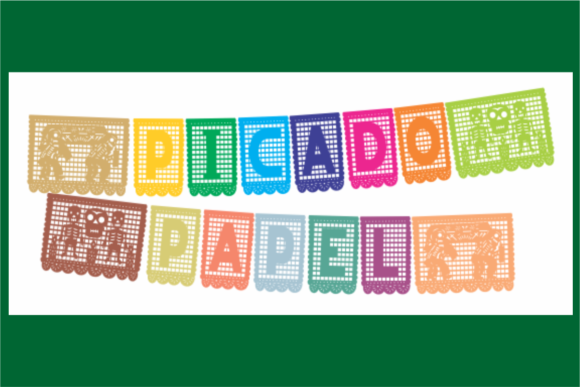
- Digital Design Inspiration: Fonts like This font is inspired by the chopped paper used in Papel Picado capture the essence of the craft in a modern format, helping designers blend tradition with contemporary aesthetics.
Getting Started with Papel Picado
Creating your own Papel Picado is easier than you might think. Here’s a simple beginner-friendly approach:
- Choose a piece of tissue paper. Traditional colors include white, yellow, red, and purple, but feel free to experiment.
- Use a template or sketch your desired pattern—common motifs include butterflies, hearts, and skeletal figures.
- Cut along the lines using sharp scissors or a utility knife. Be careful, as tissue paper is very thin and fragile.
- Attach the cut-out designs to wooden sticks or skewers with glue or thread.
- Hang your creation in a place where it can catch the wind and shine in the light.
Once you get comfortable with basic cuts, you can try layering different colors or combining multiple sheets for more complex effects. Many online tutorials offer step-by-step guidance and templates to help you begin your journey into this beautiful art form.
Choosing the Right Materials
While tissue paper is the most common material, some artists use other types of lightweight paper for special effects. However, tissue paper remains preferred due to its translucency and ability to shimmer in sunlight. When selecting tools, opt for a good pair of snips and a steady hand. Using stencils or pre-printed templates can make the process faster and less intimidating for newcomers.
Also, consider the purpose of your Papel Picado. If it's for outdoor use, choose weather-resistant glue or tape. For indoor decorations, simplicity is key. Always test your materials before committing to a full project, especially if you plan to sell or display your work publicly.
How Papel Picado Can Elevate Your Creative Projects
Whether you're a designer, marketer, or educator, Papel Picado offers unique opportunities to enhance your work. In graphic design, the look of Papel Picado can inspire logos, illustrations, and even custom fonts. The This font is inspired by the chopped paper used in Mexican festivities is a prime example of how traditional art forms influence modern typography.
Marketers and entrepreneurs can leverage the aesthetic of Papel Picado to create eye-catching campaigns or products. Think of themed merchandise, seasonal promotions, or brand visuals that reflect authenticity and cultural richness. Even lifestyle bloggers or content creators can showcase DIY Papel Picado projects as a way to engage audiences and promote creativity.
Real-World Examples of Papel Picado in Action
Let’s take a closer look at how others have successfully integrated Papel Picado into their lives and businesses:
- A local bakery in San Antonio uses Papel Picado banners during the fall season to decorate their storefront, drawing attention and celebrating Mexican heritage.
- An independent artist sells handmade Papel Picado kits online, teaching customers how to create their own festive decorations while promoting cultural awareness.
- Freelance designers have incorporated Papel Picado-inspired elements into branding for clients with ties to Latin American communities or those interested in adding a pop of cultural flavor to their visuals.
- Teachers across the U.S. have used Papel Picado as part of multicultural education programs, giving students a tactile experience with traditional crafts.
These examples show that Papel Picado is not only a beautiful art but also a practical tool for storytelling, engagement, and innovation.
Important Considerations Before Starting
Before diving into Papel Picado, there are a few things to keep in mind:
- Time and Patience: Cutting intricate designs takes time. Beginners should start with simpler patterns and gradually build confidence.
- Storage and Handling: These delicate creations require careful storage to avoid tearing. Keep them flat and away from moisture.
- Respect for Tradition: While it’s a wonderful craft to adapt creatively, it’s important to acknowledge and respect its cultural significance, especially when using it commercially.
- Supplies Sourcing: High-quality tissue paper and strong yet flexible sticks can be harder to find in some regions, so research local suppliers or order online.
Exploring Papel Picado Beyond the Basics
Once you've mastered the fundamentals, you might want to explore advanced techniques or hybrid styles. Some artists combine Papel Picado with other crafts like origami or calligraphy to create multi-dimensional pieces. Others use it as part of larger installations, such as murals or interactive exhibits in galleries or museums.
If you're into typography, the This font is inspired by the chopped paper used in Mexican festivals could spark ideas for how to incorporate similar visual elements into your designs. It bridges the gap between physical art and digital media, showing how traditional practices can evolve and remain relevant in today’s world.
Conclusion
Papel Picado is more than just a craft—it's a vibrant expression of Mexican culture, a symbol of remembrance, and a source of endless creative inspiration. Whether you're hanging banners in your home, designing a logo, or planning a cultural event, this art form brings joy, meaning, and beauty to any context. With its rich history and accessible techniques, Papel Picado invites everyone to participate in preserving and celebrating a centuries-old tradition.