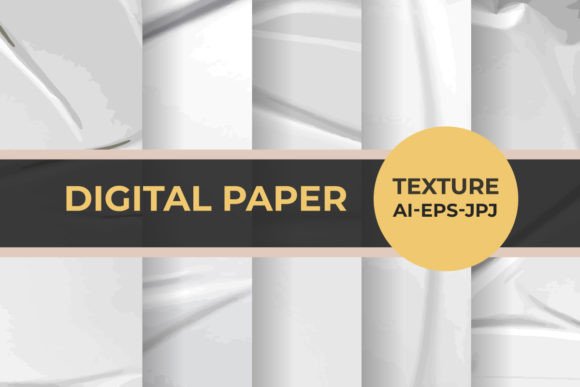
Crumpled Paper Abn Digital Paper: Elevating Projects with Realistic Texture
In the world of digital design, flat colors and clean lines are often just the beginning. To create work that feels authentic, tactile, and emotionally resonant, designers frequently turn to texture. Among the most versatile and widely used assets in this category is Crumpled Paper Abn Digital Paper. This specific type of high-resolution vector image captures the intricate chaos of wrinkled, folded, and aged paper, offering a level of realism that can transform a simple graphic into something with depth and history.
Whether you are a seasoned graphic designer looking to add grit to a poster or a hobbyist trying to make a digital scrapbook feel like a treasured keepsake, understanding how to effectively use these textures is key. It’s not just about slapping a crumpled sheet over an image; it’s about understanding the psychology of texture and how it influences perception.
The Power of Imperfection in Digital Design
We live in an era of hyper-polished visuals. Social media feeds and corporate websites are often saturated with smooth gradients, perfect vectors, and sterile minimalism. While there is certainly a place for this aesthetic, it can sometimes feel cold or impersonal. This is where the Crumpled Paper Abn Digital Paper asset class shines. It introduces organic imperfection into a digital space, bridging the gap between the virtual and the physical.
When you overlay a crumpled paper texture onto a photograph or a digital illustration, you aren’t just adding noise. You are invoking nostalgia. Crumpled paper reminds us of handwritten notes, old maps, childhood doodles, and discarded drafts. By incorporating this element, designers can evoke feelings of warmth, authenticity, and human touch. It signals to the viewer that there is a human behind the screen, someone who has handled the material, made mistakes, and created something tangible.
Real-World Applications Across Industries
The utility of Crumpled Paper Abn Digital Paper extends far beyond simple decoration. Its versatility allows it to serve functional roles in various creative industries. Here is how different professionals might integrate this asset into their workflows.
Graphic Design and Branding
For branding agencies, standing out is crucial. A tech startup might use sleek, futuristic aesthetics, but a heritage brand, an artisanal coffee roaster, or a boutique bookstore might benefit from a more rustic approach. Using crumpled paper textures as backgrounds or overlays can ground a logo or typography in a sense of tradition and craftsmanship. It suggests that the product inside was made by hand, with care and attention to detail.
Consider a craft beer label. Instead of a flat, glossy finish, a designer might apply a subtle crumpled paper texture to give the label a worn-in look, implying that the beer has been enjoyed at many gatherings. This subtle cue can enhance the perceived value and story of the brand without overwhelming the primary visual elements.
Digital Photography and Photo Manipulation
Photographers often struggle with making digital images feel "real." High-definition cameras capture too much clarity, which can sometimes look artificial. By using Crumpled Paper Abn Digital Paper as a photo overlay, photographers can soften edges, reduce digital sharpness, and add a layer of atmospheric depth. This technique is particularly effective in portrait photography, where it can add a vintage or editorial feel to the image.
Moreover, these textures can be used creatively to mask transitions between images. In a photo essay or a web gallery, using a torn or crumpled paper edge to separate two photos can create a dynamic flow, guiding the viewer’s eye through the narrative in a more engaging way than a standard straight line.
Gaming and Interactive Media
In the realm of game development and interactive artwork, atmosphere is everything. For indie games aiming for a retro or hand-drawn aesthetic, Crumpled Paper Abn Digital Paper can serve as a critical environmental texture. Imagine a point-and-click adventure set in an old attic or a detective’s office. The walls, floors, and even the UI elements could benefit from the rough, uneven surface of crumpled paper.
This adds a layer of immersion that pure vector graphics cannot achieve. It makes the digital environment feel lived-in and chaotic. Furthermore, these textures can be animated—slightly shifting or reacting to mouse movements—to create a dynamic, responsive interface that feels alive.
Technical Considerations for Best Results
While the creative possibilities are vast, there are practical considerations to keep in mind when working with high-resolution vector images of crumpled paper. The quality of the asset matters immensely. Low-resolution textures can pixelate quickly, breaking the illusion of realism. Therefore, sourcing high-quality, scalable vector images is essential.
Layer Blending Modes
The magic of texture overlays lies in how they interact with the layers beneath them. Most design software offers various blending modes such as Multiply, Overlay, Soft Light, and Difference. Experimenting with these modes can drastically change the effect of the Crumpled Paper Abn Digital Paper.
- Multiply: This mode darkens the underlying image, making it ideal for adding shadows and depth to white or light-colored designs.
- Overlay: This enhances contrast and color saturation, useful for adding grit without losing the vibrancy of the original image.
- Soft Light: This provides a subtle, gentle texture, perfect for backgrounds where you want the texture to be felt rather than seen explicitly.
Color Grading and Consistency
A common mistake is applying a neutral gray texture to a colorful image. However, paper is rarely just gray. It can be yellowed with age, stained with coffee, or tinted by sunlight. Adjusting the hue and saturation of the texture layer to match the overall color palette of your project ensures a cohesive look. If your design has a warm, sepia tone, warming up the paper texture will make the integration seamless.
Potential Limitations and How to Overcome Them
No tool is perfect, and Crumpled Paper Abn Digital Paper is no exception. One potential limitation is overuse. Because the texture is so visually interesting, it can easily become distracting if applied too heavily. If every element of your design is textured, the result can be muddy and hard to read.
To avoid this, practice restraint. Use the texture as a supporting actor, not the lead. Let it enhance specific areas, such as borders, backgrounds, or secondary graphics, while keeping the main focal points clean and legible. Additionally, consider the context. In highly formal or minimalist designs, a crumpled paper texture might clash with the intended message of precision and order. Always ask yourself: does this texture serve the story I am trying to tell?
Conclusion
Incorporating Crumpled Paper Abn Digital Paper into your projects is more than a technical choice; it is a stylistic decision that adds emotional weight and visual interest. By leveraging its realistic imperfections, you can create designs that feel human, nostalgic, and deeply engaging. Whether you are crafting a brand identity, editing a photograph, or designing a game environment, this versatile asset offers endless opportunities for creativity. The key lies in thoughtful application, blending modes, and a keen eye for detail. When used wisely, it transforms flat digital spaces into rich, tactile experiences that resonate with audiences on a deeper level.