Crocodile Font: A Playful and Versatile Typographic Choice
If you're on the hunt for a font that brings warmth, charm, and a dash of whimsy to your designs, look no further than Crocodile. This decorative typeface has quickly become a favorite among creatives for its unique blend of playfulness and professionalism. With its soft curves and friendly demeanor, Crocodile isn't just another font—it's a design element that can elevate your work across multiple industries and use cases.
What Makes Crocodile Special?
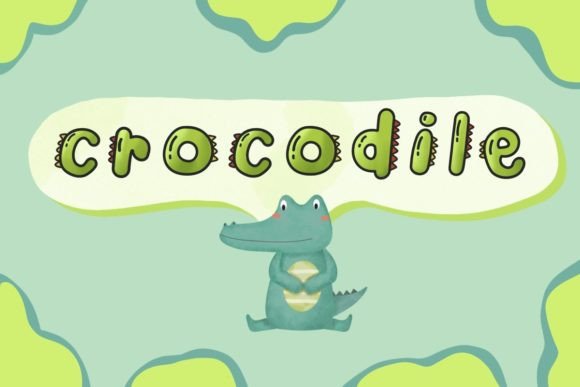
Crocodile is a hand-drawn-style font with a modern twist. It features rounded edges, open counters, and subtle irregularities that give it character without overwhelming the reader. Unlike some decorative fonts that feel too casual or hard to read, Crocodile strikes a balance between fun and clarity, making it suitable for both digital and print media.
This font works particularly well in contexts where approachability is key. Think about branding for children’s products, social media content for lifestyle brands, or even packaging for artisanal goods. Its versatility lies in its ability to adapt while still maintaining a consistent personality—something not all decorative fonts can achieve.
Real-World Uses for Crocodile
- Branding and Logos: Many small businesses and startups use Crocodile to create memorable logos that reflect their brand's personality. For example, a boutique selling handmade toys might choose this font to communicate creativity and joy.
- Wedding Invitations and Stationery: The elegant yet playful nature of Crocodile makes it ideal for wedding invitations, thank-you cards, and other formal but warm stationery pieces. It adds a personal touch without sacrificing readability.
- Social Media Graphics: Whether it's Instagram posts, Facebook banners, or Twitter headers, Crocodile helps designers craft eye-catching visuals that stand out in crowded feeds. Its trendy appeal resonates especially well with Gen Z and millennial audiences.
- Children's Products: From educational materials to clothing tags, this font fits perfectly into designs targeting young users. Its soft and inviting style encourages engagement and makes text more digestible for kids.
- Merchandise and Packaging: Brands looking to add a touch of fun to their product labels, T-shirts, or promotional items often turn to Crocodile. It gives merchandise an artistic flair while keeping it legible at a glance.
Who Can Benefit from Using Crocodile?
Crocodile appeals to a broad audience, from graphic designers to marketers and educators. Here's how different professionals might find value in it:
- Graphic Designers: Those who need a font that blends creativity with usability will appreciate Crocodile’s wide range of applications. It’s great for projects like posters, greeting cards, and website headers.
- Marketers: In advertising campaigns focused on lifestyle, wellness, or family-oriented products, Crocodile can help build a connection with the audience through its welcoming appearance.
- Teachers and Educators: When creating classroom materials or presentations aimed at younger students, using Crocodile can make information feel less intimidating and more engaging.
- Entrepreneurs: Startups and small business owners looking to establish a unique identity may find Crocodile useful for building cohesive visual branding that feels fresh and relatable.
How to Use Crocodile Effectively
While Crocodile is a versatile font, it’s important to use it wisely. Like any decorative typeface, it shines brightest when paired with simpler, more structured fonts. This contrast helps maintain hierarchy and ensures that important messages are still easy to read.
For instance, if you’re designing a flyer for a new café, you might use Crocodile for the headline or menu titles and pair it with a clean sans-serif like Open Sans or Lato for body text. This way, you get the best of both worlds—visual interest from Crocodile and clarity from a neutral font.
Another consideration is color choice. Because Crocodile already carries a lot of visual weight, using bold or bright colors can sometimes clash. Instead, opt for muted tones or pastels to let the font breathe and remain legible. Test it out in different sizes too; Crocodile looks great as a large display font but can lose impact when used too small in body copy.
Industries That Love Crocodile
Several industries have embraced Crocodile due to its adaptable nature:
- Food and Beverage: Crocodile is perfect for branding items like cupcakes, smoothie bars, or coffee shops. Its friendly vibe aligns well with the idea of comfort and indulgence.
- Fashion and Apparel: Clothing lines, especially those targeting younger demographics or with a retro-inspired aesthetic, often use Crocodile to label items, describe collections, or add a signature touch to tags and packaging.
- Education and Kids' Products: Teachers, toy companies, and publishers frequently use Crocodile in learning tools, storybooks, and games. It helps create a sense of familiarity and fun, which is essential for young audiences.
- Event Planning: Wedding planners, birthday party coordinators, and event designers love how Crocodile adds a personal and stylish edge to invitations, signage, and décor elements.
- Art and Craft Stores: Retailers selling art supplies, DIY kits, or handmade goods use Crocodile to highlight product names or taglines, giving their shelves a creative and curated look.
Things to Keep in Mind Before Choosing Crocodile
Before incorporating Crocodile into your project, consider a few key factors:
- Tone Alignment: Ensure that the playful nature of Crocodile matches the tone of your message. It may not be the best fit for serious legal documents or high-tech software interfaces.
- Accessibility: While visually appealing, some variations of Crocodile might not be optimal for screen readers or people with dyslexia. Always test it for accessibility, especially if it's part of public-facing content.
- Legibility at Distance: Avoid using Crocodile for long paragraphs or small text. Its decorative qualities can reduce readability when scaled down or overused.
- Pairing with Other Fonts: As mentioned earlier, pairing it with a complementary font is usually the best practice. This helps avoid visual clutter and maintains a professional layout.
Strengths and Limitations
Crocodile excels in environments where aesthetics and personality matter. Its strengths include:
- A versatile style that adapts to many themes and purposes.
- A friendly and approachable appearance that builds trust and warmth.
- High visual appeal, especially in marketing and branding contexts.
However, there are also limitations to keep in mind:
- It may not be suitable for long-form reading due to its decorative nature.
- Some characters can appear too similar, leading to confusion in certain situations.
- Overuse can dilute the impact and make the design feel less refined.
Where to Find Crocodile
Crocodile is available on several major font platforms, including Adobe Fonts, Google Fonts, and independent marketplaces like Creative Market and MyFonts. You can preview it online before downloading to see how it looks in different weights and styles.
When choosing where to purchase or download it, check the licensing options carefully. Some versions may require attribution or offer commercial rights, depending on where you get them. Make sure to select a version that suits your needs—whether you're designing for personal use or a full-scale business campaign.
Design Tips for Getting the Most Out of Crocodile
To maximize the effectiveness of Crocodile in your projects, try these tips:
- Use it as a headline or title font rather than body text.
- Experiment with spacing—sometimes increasing letter or word spacing enhances legibility and visual appeal.
- Layer it with illustrations or icons for a cohesive and lively design.
- Try using it in uppercase for maximum impact, especially in logos or short phrases.
- Limit its use to one section per page to avoid overwhelming the viewer.
Final Thoughts on Crocodile
Crocodile is more than just a cute font—it's a strategic tool for designers and businesses aiming to connect with their audience on a more emotional level. By understanding when and how to apply it, you can harness its playful energy to enhance everything from branding to event graphics. Just remember to use it thoughtfully and in harmony with other design elements so it truly stands out for the right reasons.