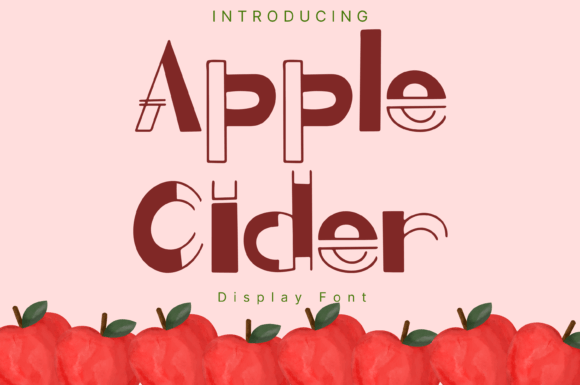
Apple Cider: A Whimsical Font That Elevates Your Projects
When it comes to design, the right font can make all the difference. Apple Cider is a whimsical and clean decorative font that adds charm and character to any project without overwhelming the reader. Whether you're creating marketing materials, branding assets, or personal creative work, this font brings a touch of elegance with its playful yet refined aesthetic. Its versatility allows it to fit into a wide range of contexts, making it an excellent choice for professionals and hobbyists alike who want their content to stand out in a visually appealing way.
Why Apple Cider Matters in Modern Design
In today’s digital world, visual appeal plays a crucial role in capturing attention. With so much information competing for space on screens and in print, the typography you choose can either blend in or command focus. Apple Cider offers a unique balance between whimsy and professionalism—its clean lines ensure readability while its decorative flair injects personality. This makes it particularly valuable for those looking to create memorable designs that resonate emotionally with their audience.
For entrepreneurs and small business owners, Apple Cider can help establish a brand identity that feels both trustworthy and approachable. For educators and publishers, it can enhance learning materials by breaking up dense text with engaging headers. And for bloggers and content creators, it provides a fresh way to present ideas and maintain a consistent yet stylish tone across platforms.
Aesthetic Appeal Without Compromise
One of the standout features of Apple Cider is how it maintains clarity despite its decorative nature. Many ornate fonts sacrifice legibility for style, but Apple Cider avoids this pitfall. The characters are designed with enough detail to appear artistic but remain easy to read at various sizes. This makes it suitable for everything from large banners and posters to smaller labels and captions.
Consider a scenario where you’re designing a product packaging label. You need something eye-catching that also conveys essential information clearly. Apple Cider could be used for the product name or tagline, drawing attention without confusing the customer. Similarly, if you’re putting together a promotional flyer for a local event, using Apple Cider in key sections like the title or featured attractions can give your design a friendly, inviting feel.
Enhancing Creativity and Communication
Designers often face the challenge of balancing creativity with functionality. Apple Cider helps bridge this gap by providing a typographic option that supports both. Its whimsical appearance encourages a more expressive and imaginative layout, which can be especially useful when working on projects related to lifestyle, food, fashion, or wellness. These industries often benefit from warm, inviting visuals, and Apple Cider delivers just that.
- Marketing Professionals: Use Apple Cider for headlines in brochures, social media posts, or email campaigns to create a sense of warmth and authenticity.
- Bloggers and Content Creators: Apply it to titles or section headings to make your content more engaging and cohesive.
- Graphic Designers: Incorporate it into logos, invitations, or editorial layouts to add a unique visual signature.
What sets Apple Cider apart is its ability to evoke emotion subtly. It doesn’t shout for attention—it whispers with charm. This characteristic is particularly effective in storytelling-based content, such as brand narratives or product descriptions, where tone and atmosphere matter just as much as the message itself.
Practical Use Cases for Apple Cider
Let’s explore some real-world examples where Apple Cider might shine:
- Branding for a Café or Bakery: A cozy café might use Apple Cider in its logo and signage to reflect a home-style, artisanal vibe. The font’s soft curves and organic feel align well with the aesthetics of natural, handcrafted goods.
- Event Invitations and Posters: Whether it's a wedding, art show, or community gathering, Apple Cider can give your event collateral a personalized and elegant look. Its whimsical nature complements handwritten notes and vintage illustrations, making it ideal for themed events.
- Editorial Work and Blog Layouts: If you're running a blog about seasonal living, sustainability, or travel, Apple Cider can serve as a headline font to introduce new sections or highlight key points. It works especially well when paired with minimalist body fonts, allowing the headers to pop without clashing.
These examples illustrate how Apple Cider can be adapted to different purposes. What remains constant is its ability to enhance communication through thoughtful design choices. When used correctly, it doesn’t just look good—it communicates values and emotions effectively.
Who Can Benefit Most from Apple Cider?
While anyone involved in visual communication might find value in Apple Cider, certain groups will likely benefit most from its unique characteristics:
- Entrepreneurs: Those launching a new business or rebranding an existing one can leverage Apple Cider to create a strong first impression. It conveys warmth and quality, which are essential in building trust with customers.
- Independent Designers: Freelancers working on client projects have the freedom to experiment with typography. Apple Cider offers a distinctive option that stands out in a sea of standard sans-serif and serif fonts.
- Nonprofits and Community Organizations: Events and outreach materials often require a friendly, welcoming design. Apple Cider’s gentle curves and open letterforms contribute to this effect, encouraging engagement and support.
- Content Publishers: From online magazines to newsletters, Apple Cider can elevate the reading experience by adding visual interest without distracting from the content.
Each of these audiences has distinct needs, but they share a common goal: to communicate effectively through design. Apple Cider supports that goal by offering a typeface that is both expressive and professional.
Pairing Apple Cider with Other Fonts
Because Apple Cider is a decorative font, it’s important to pair it with complementary styles to maintain harmony in your design. A popular strategy is to use it alongside a simple, modern sans-serif font like Helvetica or Open Sans for body text. This contrast highlights the headline while keeping the rest of the content clear and scannable.
If you're aiming for a more rustic or handcrafted look, pairing Apple Cider with a slab serif or script font can enhance the overall aesthetic. Just be mindful not to overuse it; let it serve as a focal point rather than a background element. The right combination ensures your design remains accessible while still feeling special.
Improving Efficiency Through Better Typography
Choosing the right font isn’t just about aesthetics—it can also improve efficiency in your workflow. Apple Cider’s clean structure means less time spent adjusting spacing or kerning compared to more complex decorative fonts. You can quickly implement it into your projects and move forward with confidence knowing it looks polished and intentional.
Moreover, when clients or collaborators request a more “personal” or “creative” look for a design, having Apple Cider in your toolkit gives you a ready-made solution. Instead of searching for a new font every time, you can streamline your process and focus on other aspects of the project, like layout or color schemes.
Realistic Expectations and Fit Considerations
Like any font, Apple Cider isn’t a universal solution. While it works beautifully in many scenarios, there are cases where it may not be the best fit. For example, in highly technical documents or legal forms, a more formal font is usually preferred to avoid distractions. In high-volume data displays or user interfaces, Apple Cider’s decorative elements might hinder readability at smaller sizes.
Before finalizing your font selection, consider the context in which it will be used. Will the text be viewed on a mobile screen? Is the content long-form or short-form? Does it require bold emphasis or subtle integration? These questions can guide whether Apple Cider is appropriate for your specific needs. When in doubt, testing it against a few alternatives can help you determine the best match for your project.
Supporting Goals with Thoughtful Typography
Typography is more than just choosing a pretty font—it’s about supporting your goals through design. Apple Cider helps you achieve several objectives depending on your field:
- Brand Differentiation: Stand out from competitors by using a font that reflects your brand’s personality and values.
- Visual Cohesion: Maintain a consistent style across multiple platforms, from websites to print materials.
- Emotional Connection: Create a more personable and relatable interface for your audience through carefully chosen typefaces.
- Time Savings: Reduce the time spent sourcing and testing fonts by selecting one that works well across diverse applications.
By integrating Apple Cider into your design process, you’re not only enhancing the visual aspect of your work—you’re also improving the way your message is received. This can lead to stronger engagement, better conversions, and a more memorable brand presence.
Getting Started with Apple Cider
If you're interested in using Apple Cider, start by downloading it from a reputable font provider. Once installed, test it in different environments to see how it performs. Try applying it to a variety of text sizes, colors, and backgrounds to understand its flexibility.
Experimentation is key. Don’t hesitate to combine it with other fonts or adjust its weight and spacing to suit your design. Over time, you’ll develop a better sense of when and how to use it effectively. Keep a record of successful implementations so you can reference them in future projects.
Final Thoughts on Apple Cider
Apple Cider is more than just a decorative font—it’s a tool that can help you express your vision with clarity and charm. Whether you're a designer, marketer, educator, or creator, it offers practical benefits that support your work in meaningful ways. By understanding its strengths and limitations, you can use it to enhance your results, save time, and strengthen your communication.
As you continue to build your design repertoire, remember that typography is a powerful element of visual storytelling. Apple Cider invites you to explore the intersection of form and function, proving that a font doesn’t have to be plain to be professional—or whimsical to be effective.